Chinese mantic arts · Yijing · Texts · Education · Global community
Follow pattern into principle.
Test tradition against the record of time.
The Institute of Chinese Mantic Arts is an independent global research and education initiative. We build a systematic atlas, reconstruct methods, distinguish history from lineage, and develop rigorous education and internal credentials—preserving mystery without sacrificing verifiability.
Mantic arts & Yijing
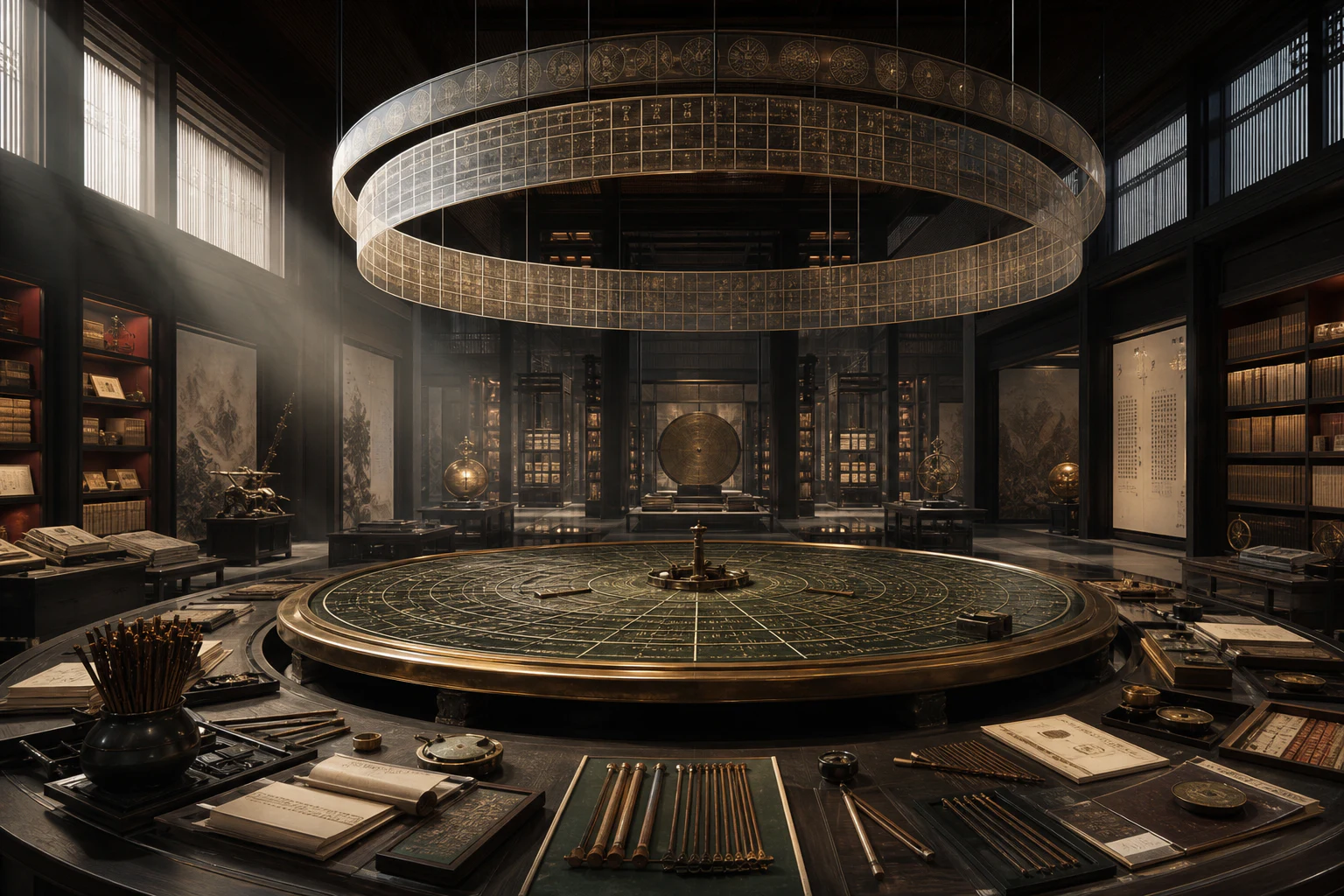
Primary texts, archaeology, institutions, objects and living traditions
View the research method↗02EducationFoundation to specialization
Yijing, calendars, individual systems and research method
Explore learning paths↗03CredentialsInternal study credentials
Published hours, assessment, appeals, revocation and serial-verification rules
View the credential system↗04ConnectionA global community
Researchers, institutions, city events and multilingual publishing
Join & collaborate↗00The institute at a glance
Scale, knowledge architecture and participation—made explicit on the home page.
The institute integrates knowledge organization, historical research, method training, assessment and global collaboration. Every number and entry below leads to substantive content.
Knowledge & sources
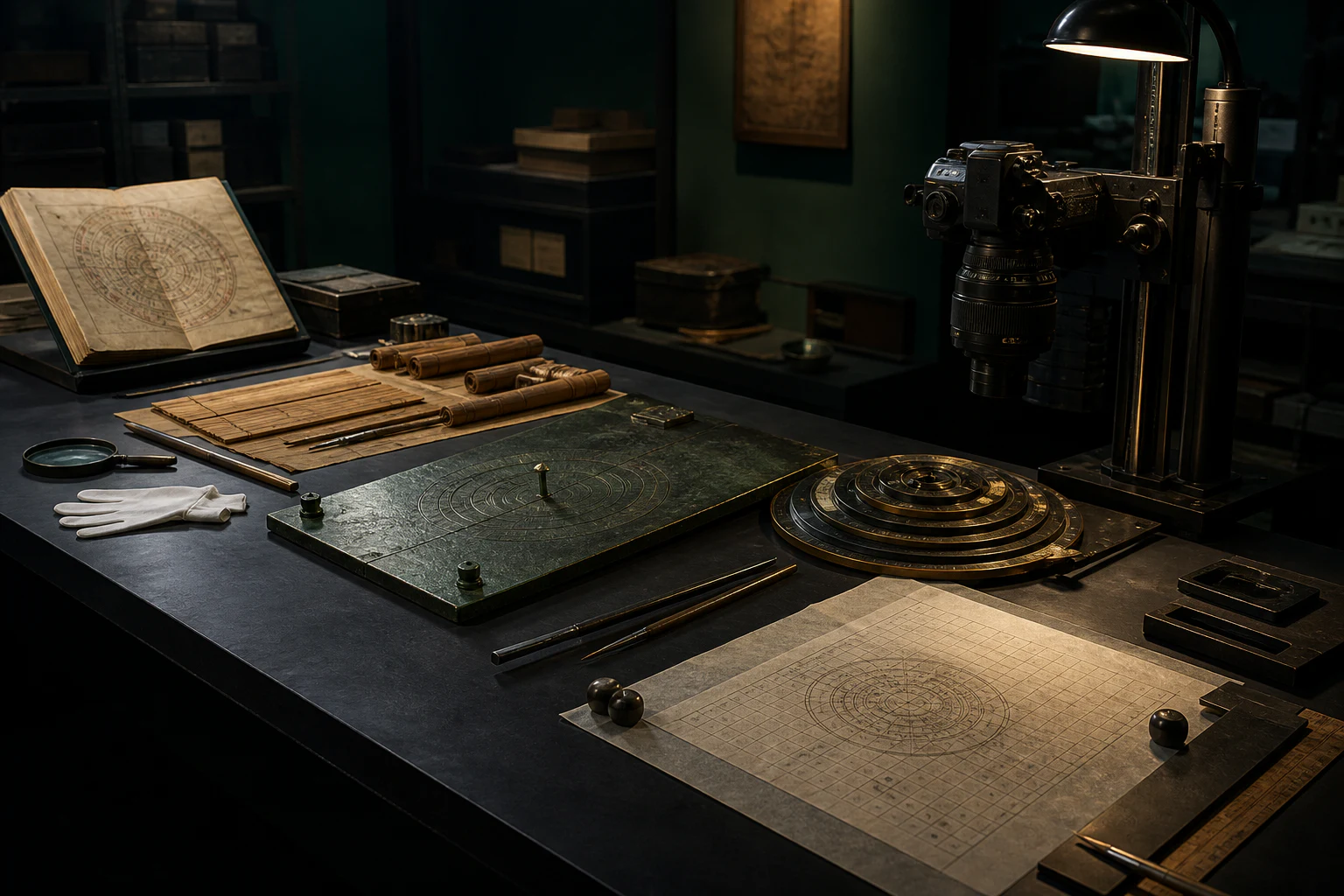
What Chinese mantic arts are, how they formed and what textual evidence supports them.
Panoramic atlas
Names, principles, histories, texts, schools, debates and limits.
↗15 nodes · 4 evidence typesHistorical timeline
From oracle cracks and daybooks to boards, fate systems and digital circulation.
↗Source routes · edition reviewResearch library
Find classics, excavated texts, specialist manuals, collectanea and modern scholarship by question.
↗中文 · 繁體 · EnglishTrilingual glossary
Terminology, pinyin, preferred translation, definition and related dossiers.
↗Research, courses & credentials
Research steps, learning levels, assessment and integrity rules are stated in full.
Methods and core projects
Name, establish edition, date, reconstruct, compare and independently evaluate.
↗5 levels · 8 foundations · 8 tracksCourses and learning paths
From public introduction through common foundation, specialization and independent work.
↗5 levels · 5-part rubricInternal credentials
Hours, required outputs, weighting, completion conditions and revocation rules.
↗Principle · history · sourcesIndividual art dossiers
Open a dedicated research page for a method's structure and bibliography.
↗Institute, events & collaboration
Governance, affiliations, event formats and partnership requirements in auditable form.
Global in-person program
Forums, schools, city intensives, collection walks, roundtables and public observation.
↗6 affiliations · 4-step reviewJoin the institute
Members, students, assistants, visiting researchers, affiliated researchers and partners.
↗6 functions · 4 governance unitsAbout the institute
Mission, principles, council responsibilities, public information and boundaries.
↗6 routed subjectsContact & collaborate
Precise routes for research, education, review, publishing, technology and city partnerships.
↗TPublic standards & trust mechanisms
Trust rests on
a record that can be followed.
From a historical date to an institute credential, sources, editions, methods, review, updates and limits sit on one traceable chain, supported by public mechanisms and records that can be checked.
Each states names, principles, history, texts, evidence layers, debates and limits.
Check the dossiers04Evidence layersTraditional, archaeological, textual and institutional evidence remain distinct.
View the evidence model06Research stepsName, establish edition, date, reconstruct, compare and evaluate—with version records.
Review the method05Credential levelsHours, outputs, scoring, appeals, verification, revocation and legal status are published.
Inspect credential rules
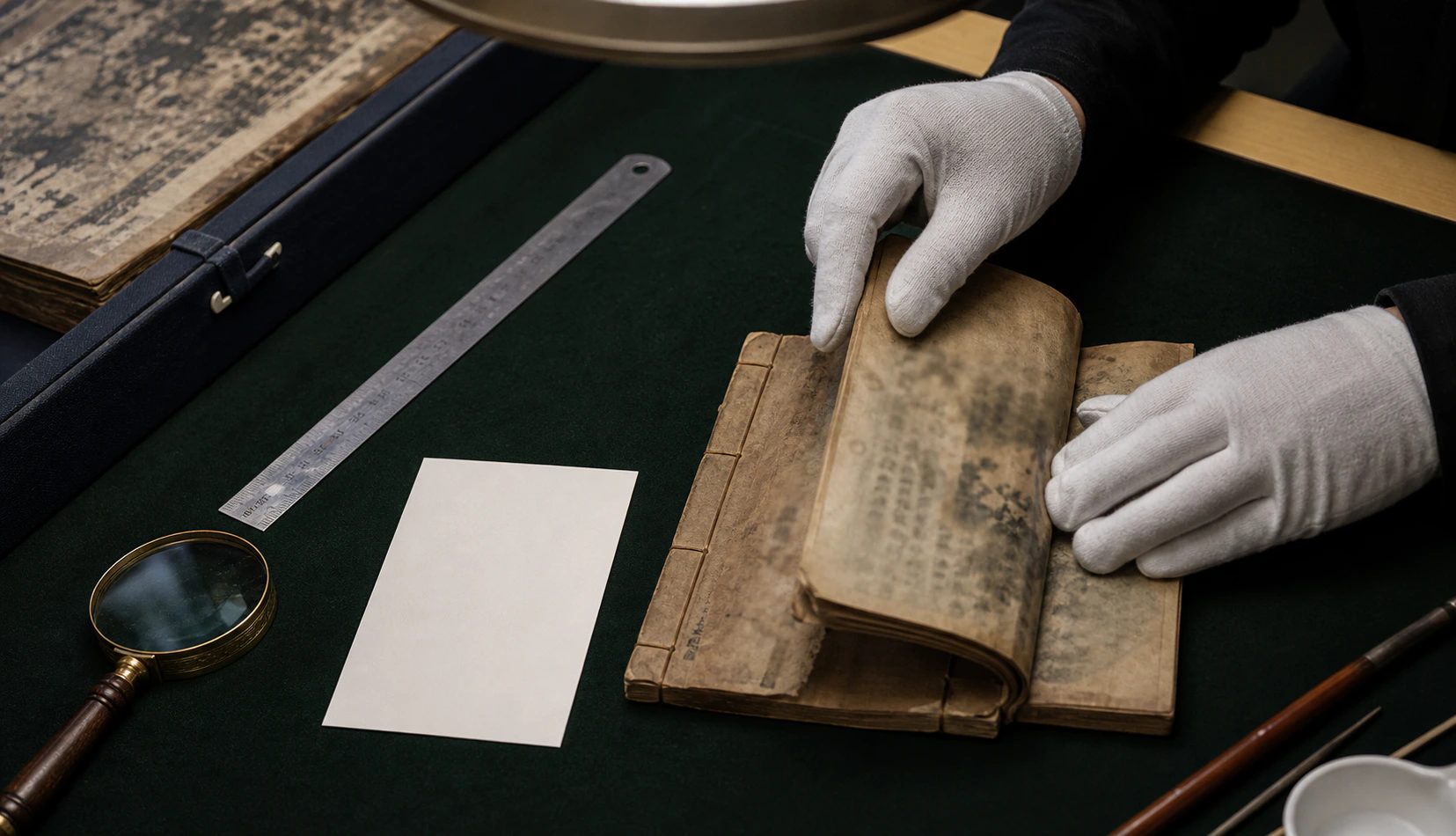
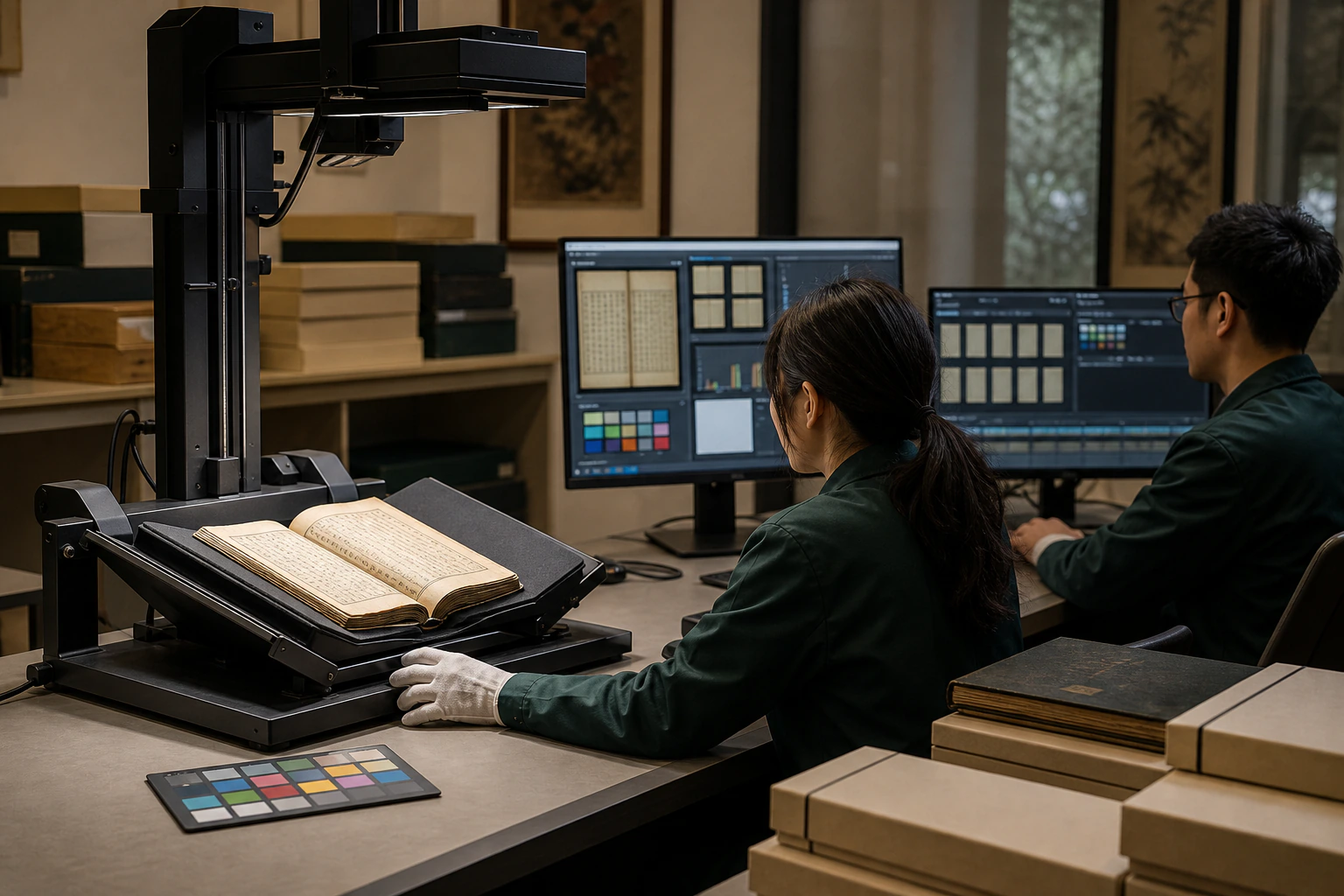
PROTOCOLPublic standards & trust mechanisms
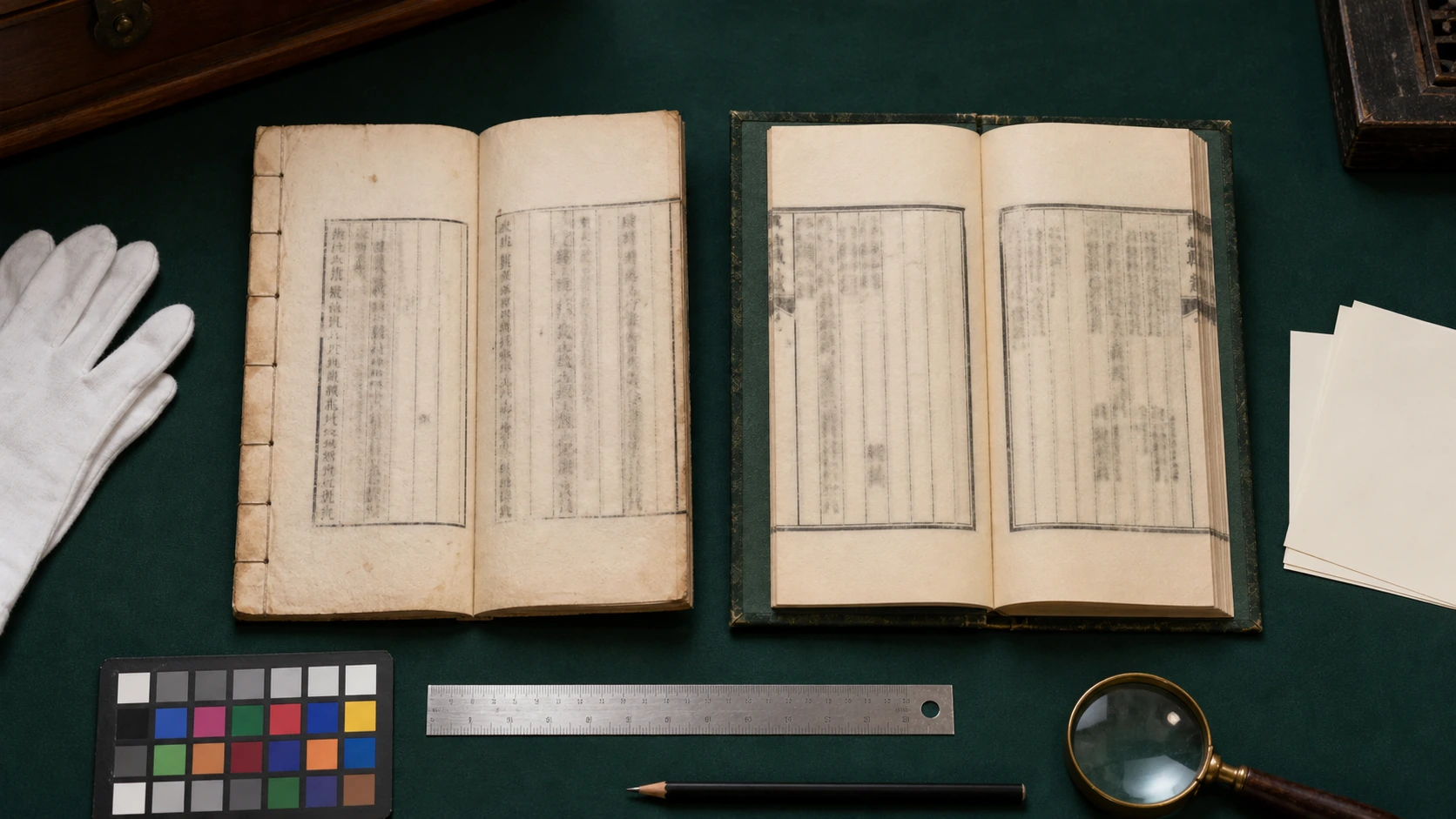
How an item enters the institute record
A claim must pass four explainable stages. New material or errors trigger a documented revision.
- 01
Locate the source
Record provenance, edition, fascicle, material type and access date.
- 02
Compare witnesses
Set variants, composition dates, surviving witnesses and modern editions side by side.
- 03
Review the method
A second researcher repeats the key steps from the same record.
- 04
Publish the revision
Retain update date, basis for change, current status and responsible stage.
Long-term credibility requires room for challenge.
Report a miscitation, dating conflict, missing edition, translation ambiguity or credential anomaly through JesunsWu@gmail.com. We check the source record and revise or withdraw when warranted.
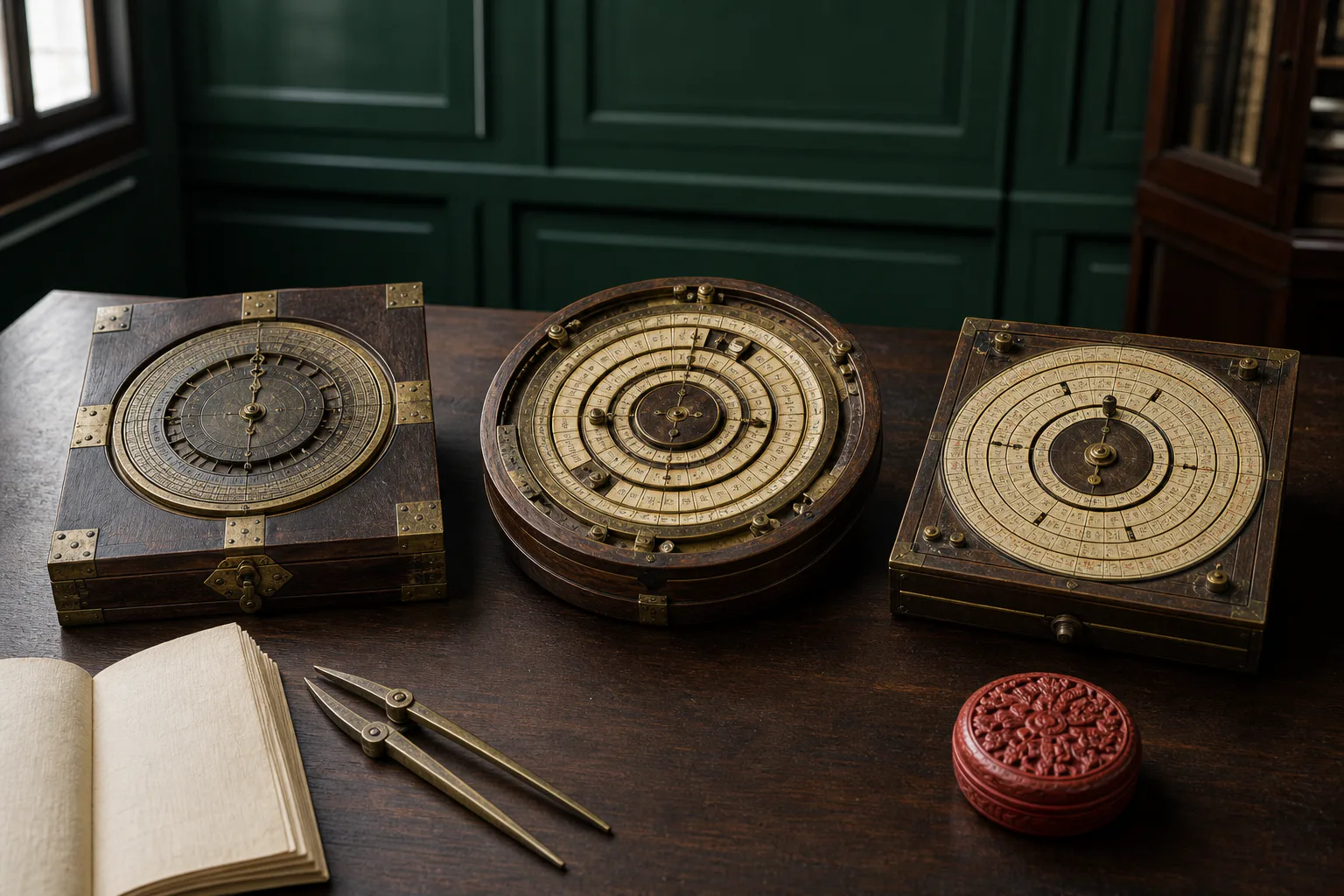
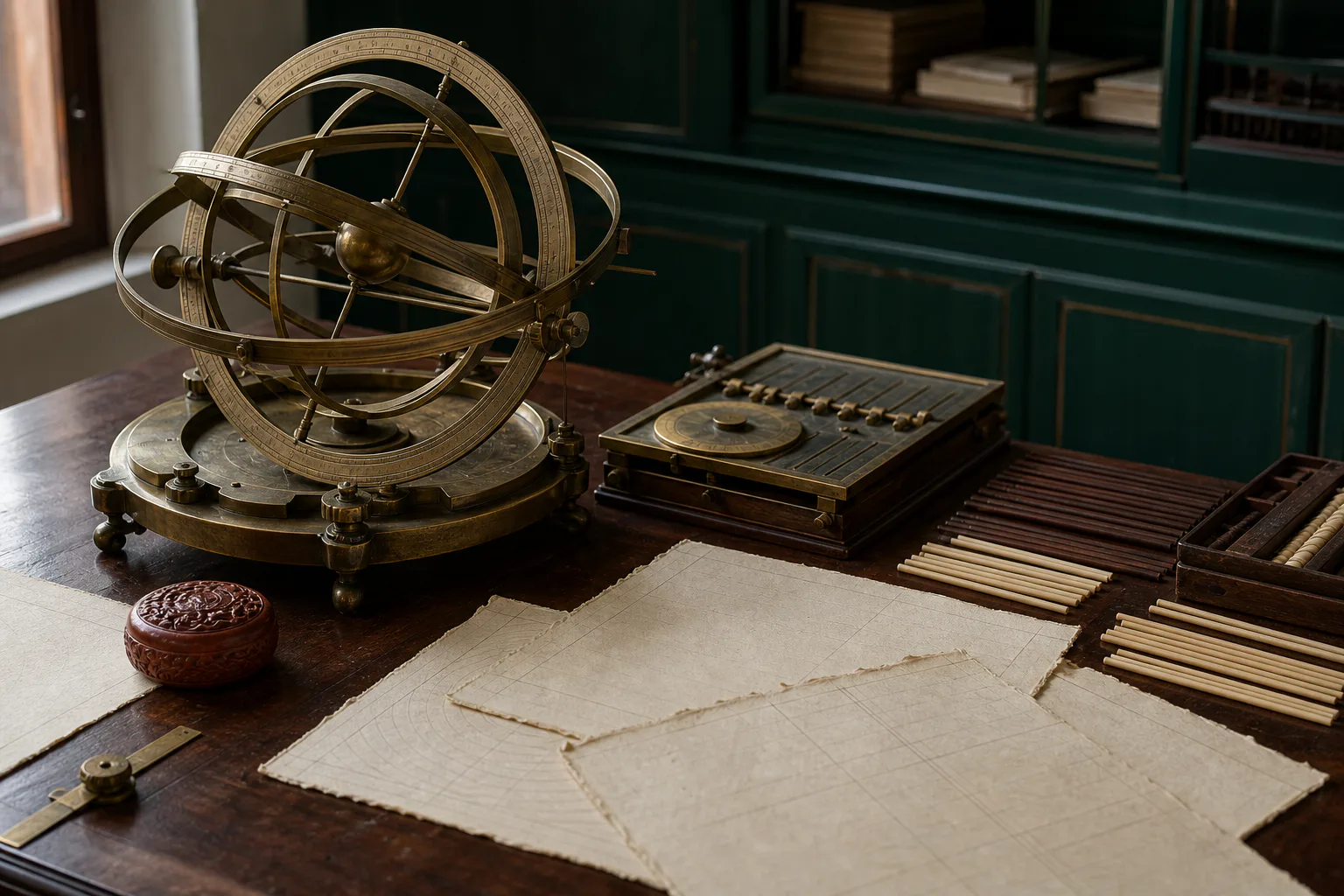
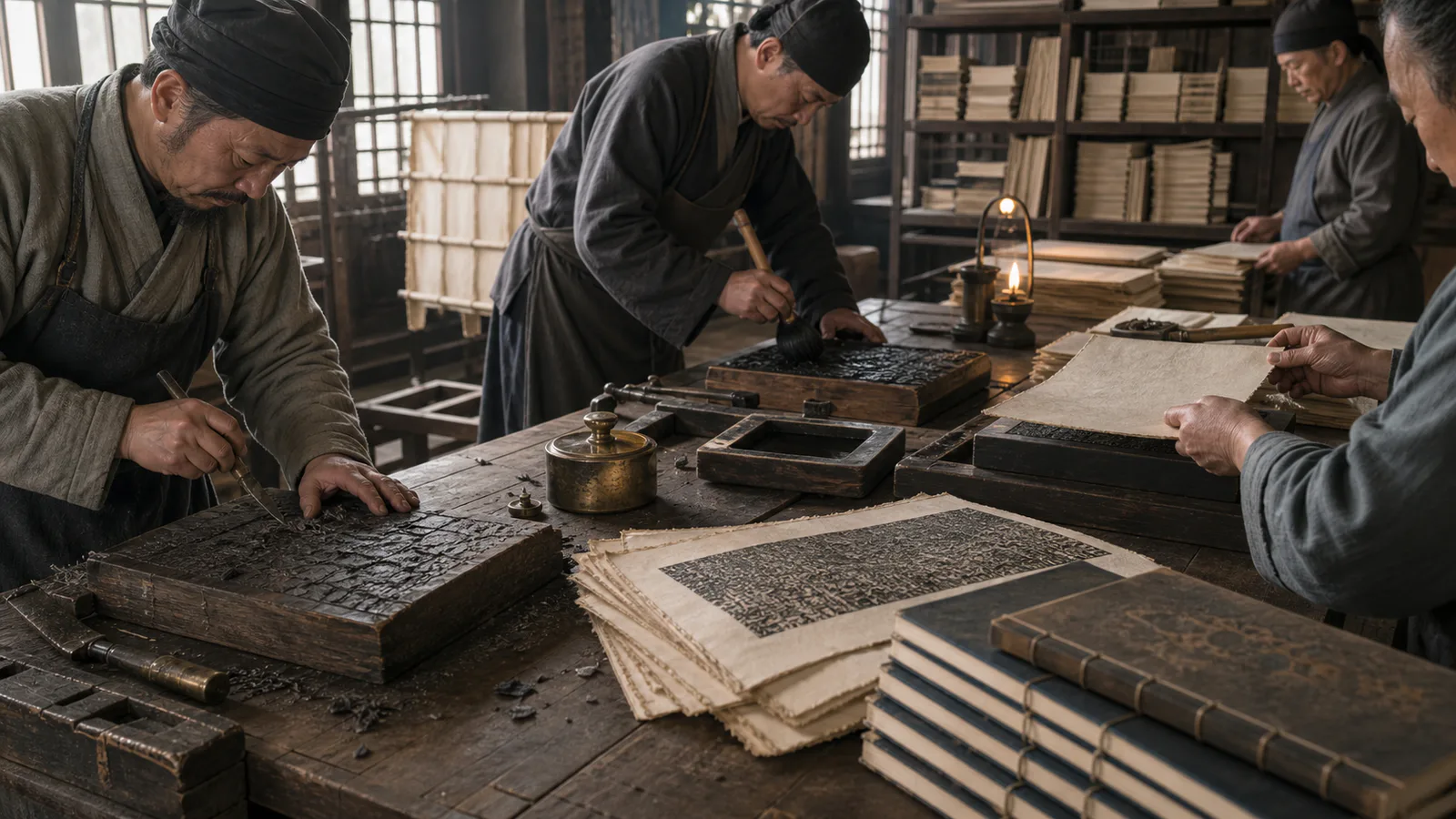
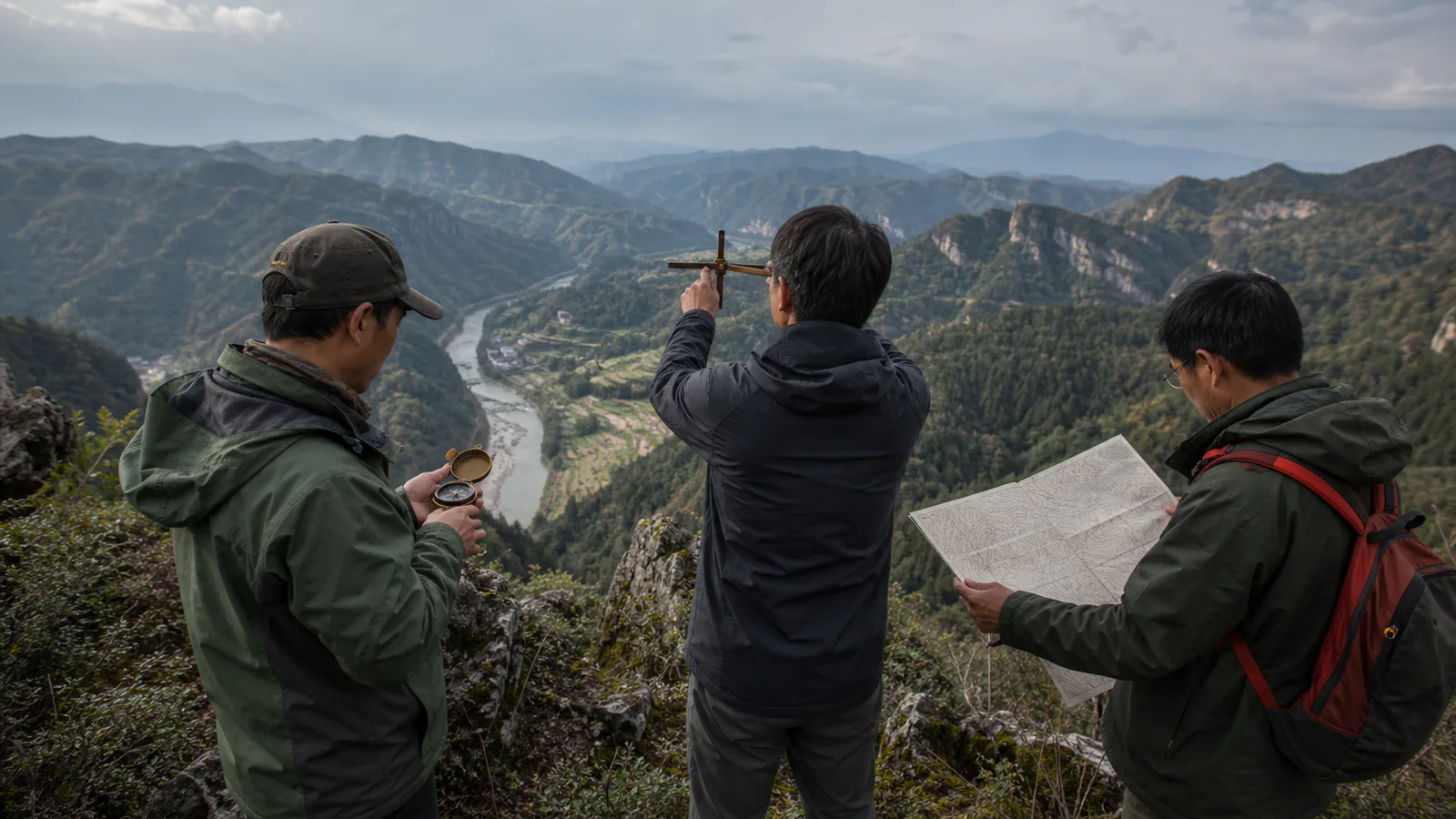
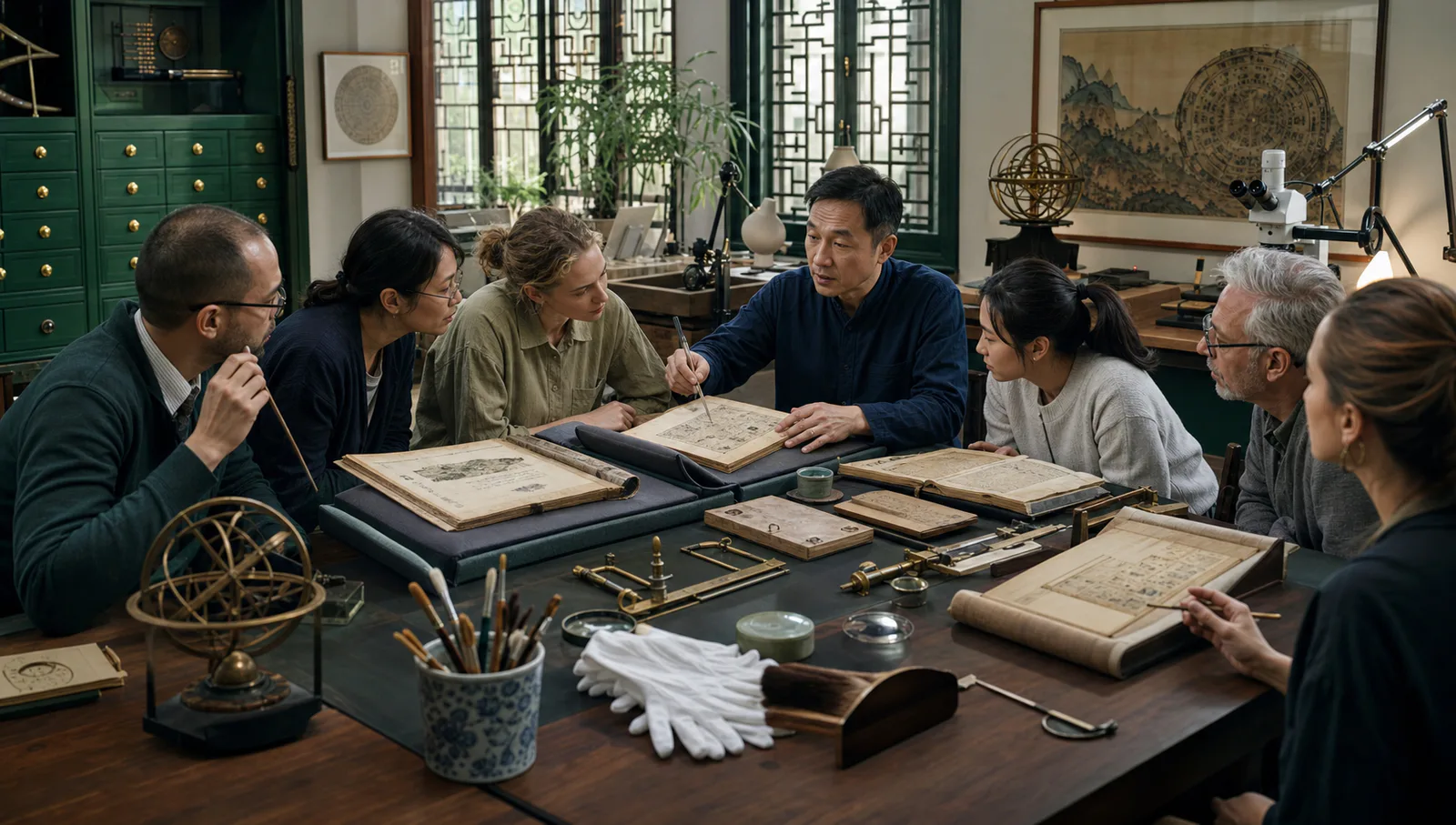
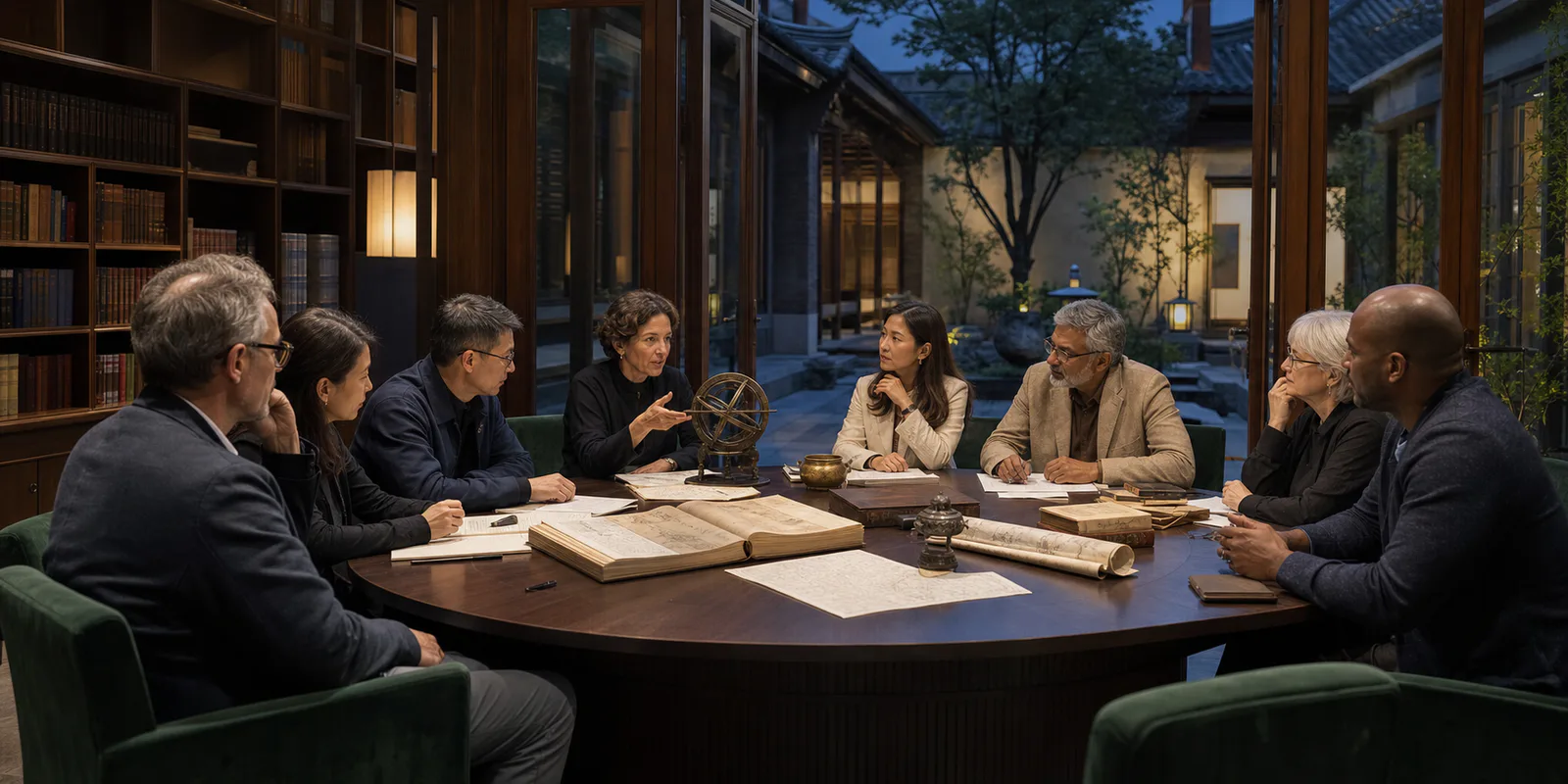
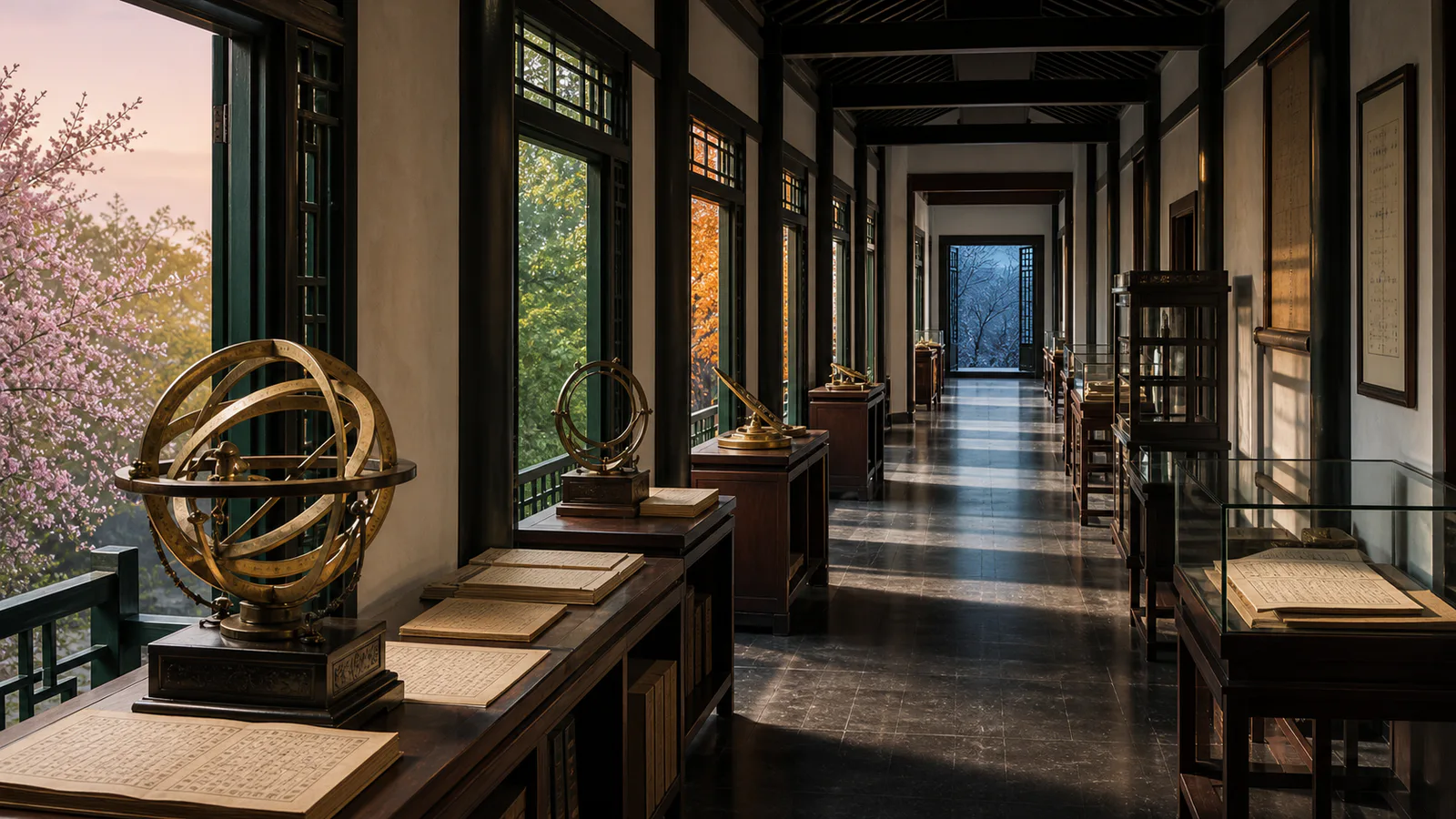
01Panoramic atlas of Chinese mantic arts
Nine families. Thirty-four core dossiers.
A growing index of branches.
Each dossier states names, dates, principles, texts, transformations, debates and limits while preserving differences among the arts.
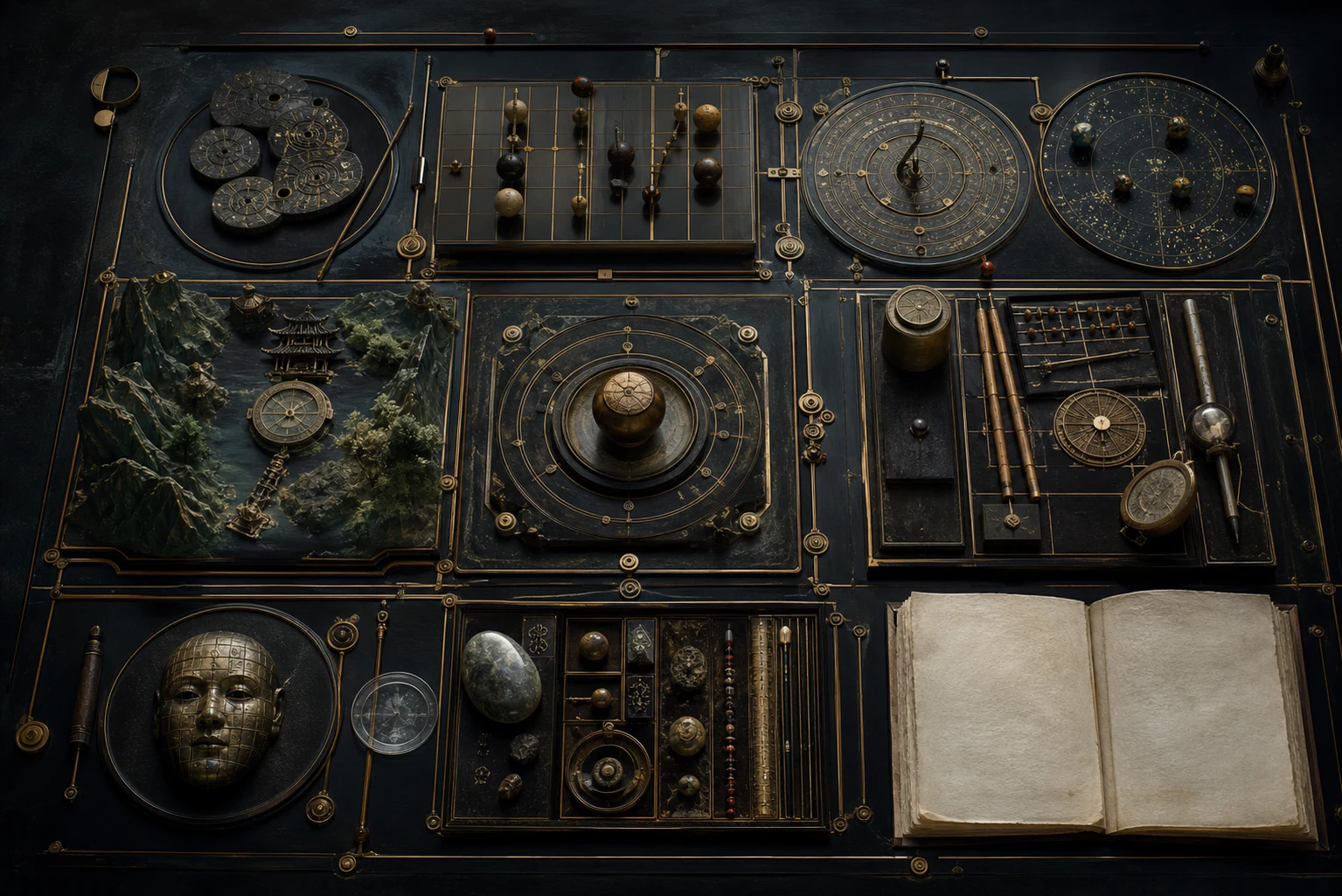
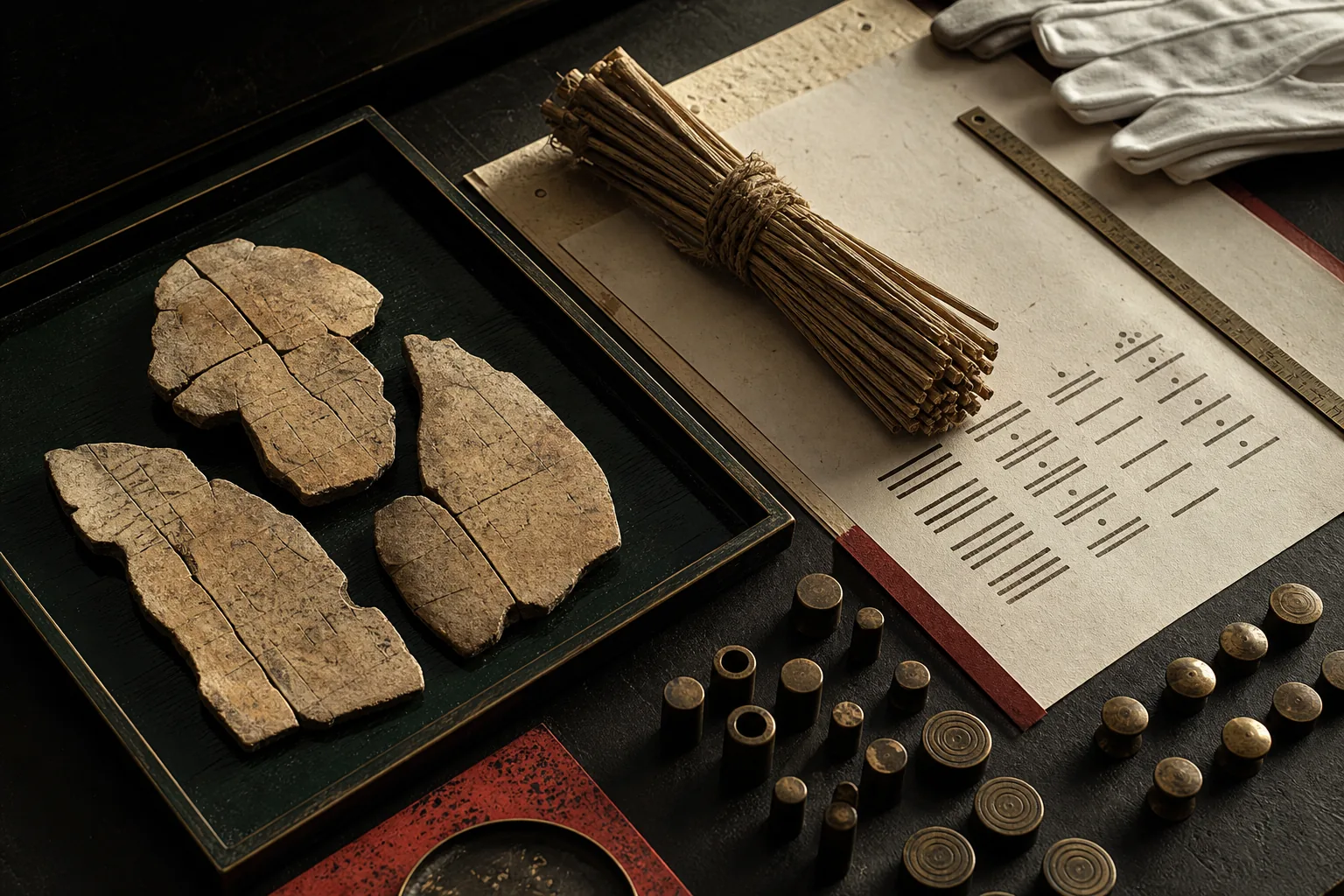 01象Divination and correlative foundations5
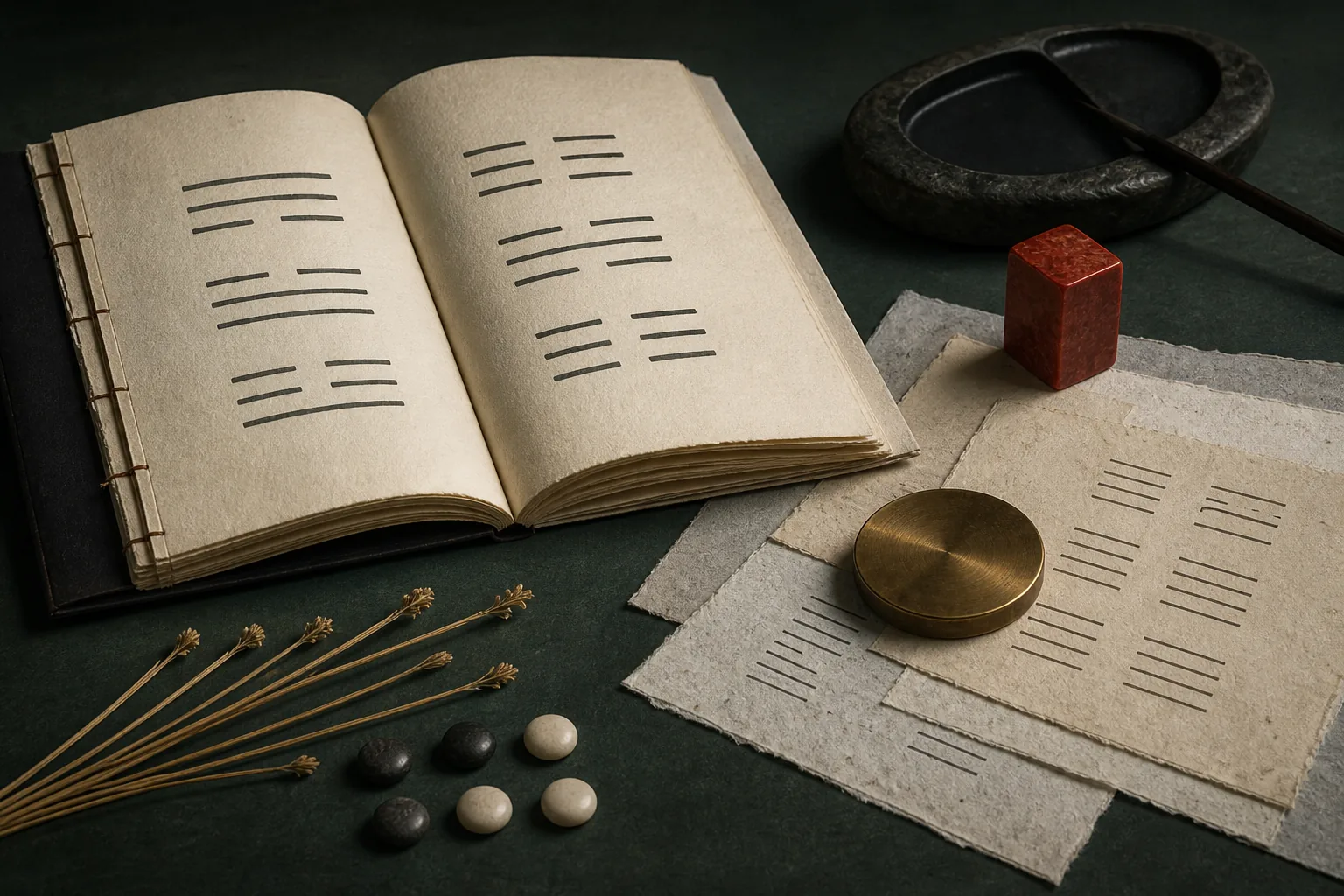 02易Yijing-derived and correlative systems7
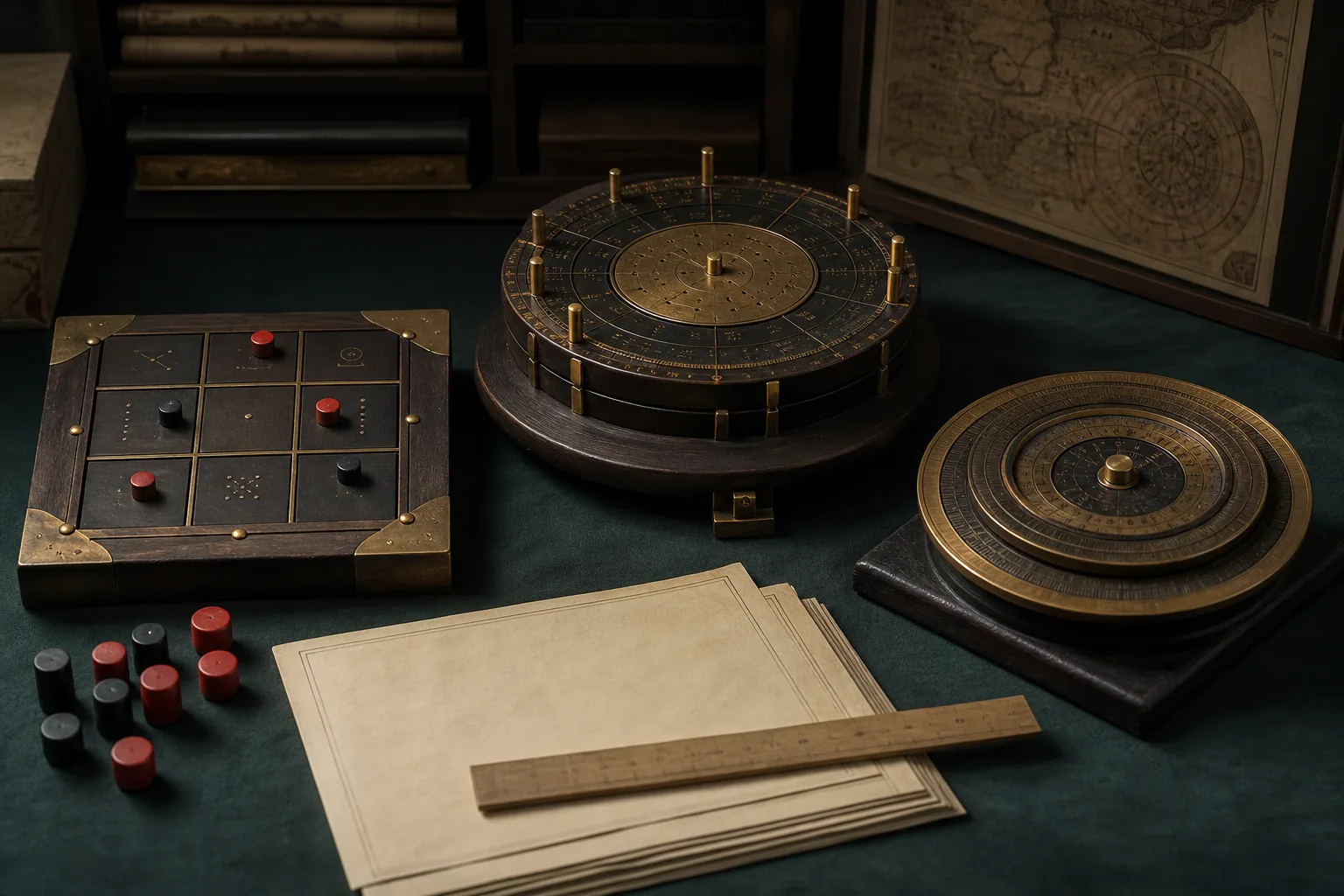 03式The Three Cosmic Boards and spatiotemporal methods5
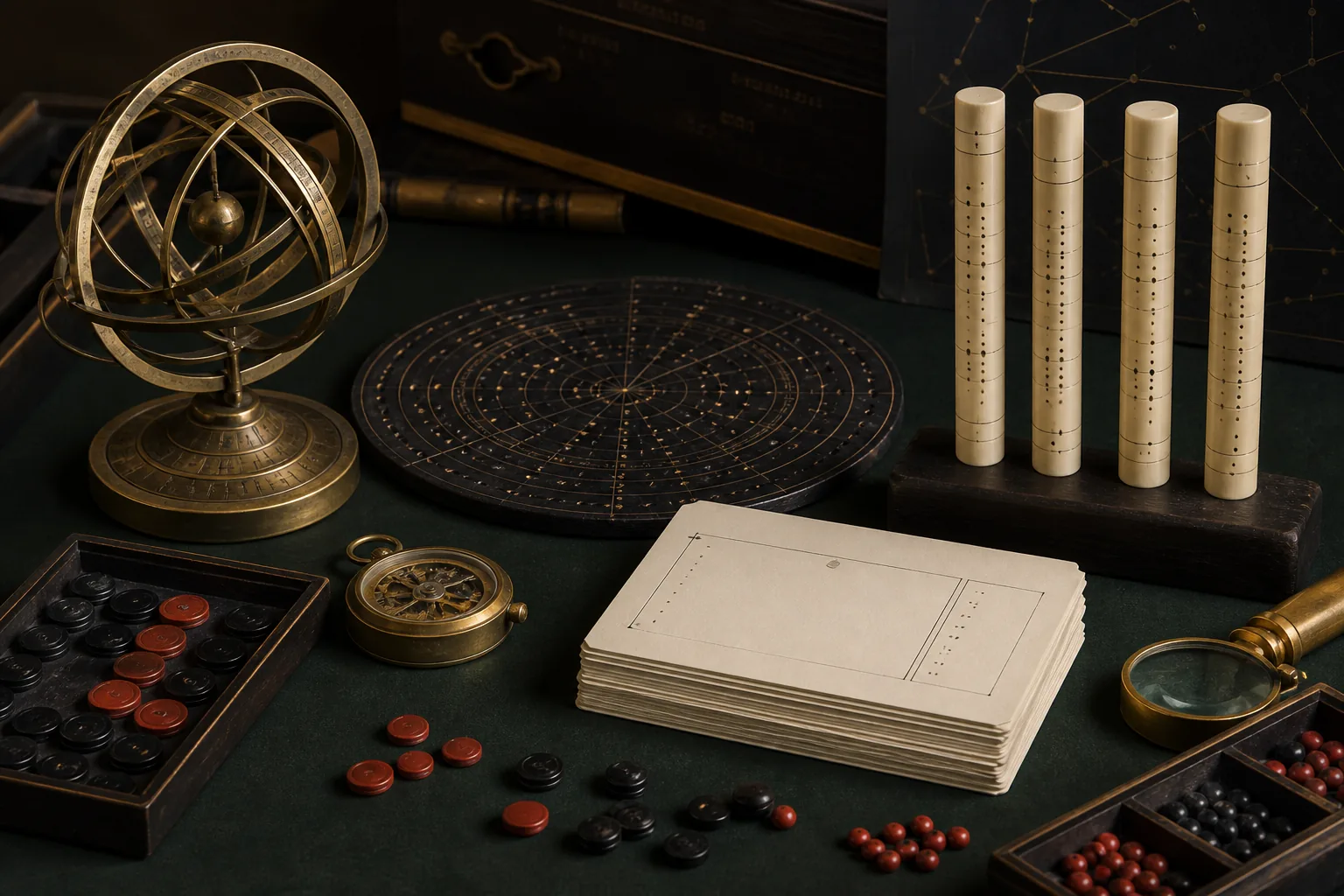 04命Fate calculation and astral nativities6
 05候Celestial omens and signs3
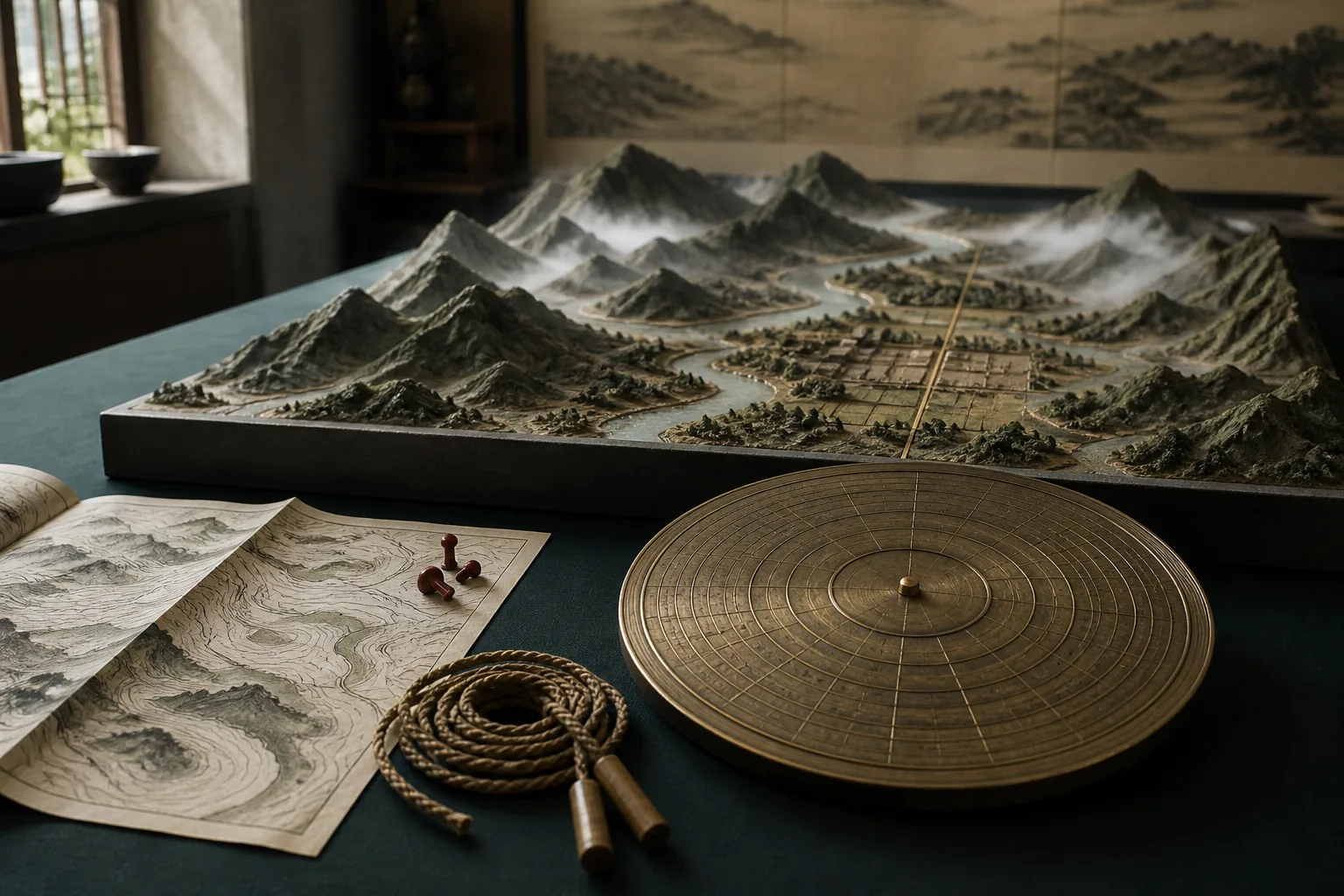 06地Fengshui and environmental arts1
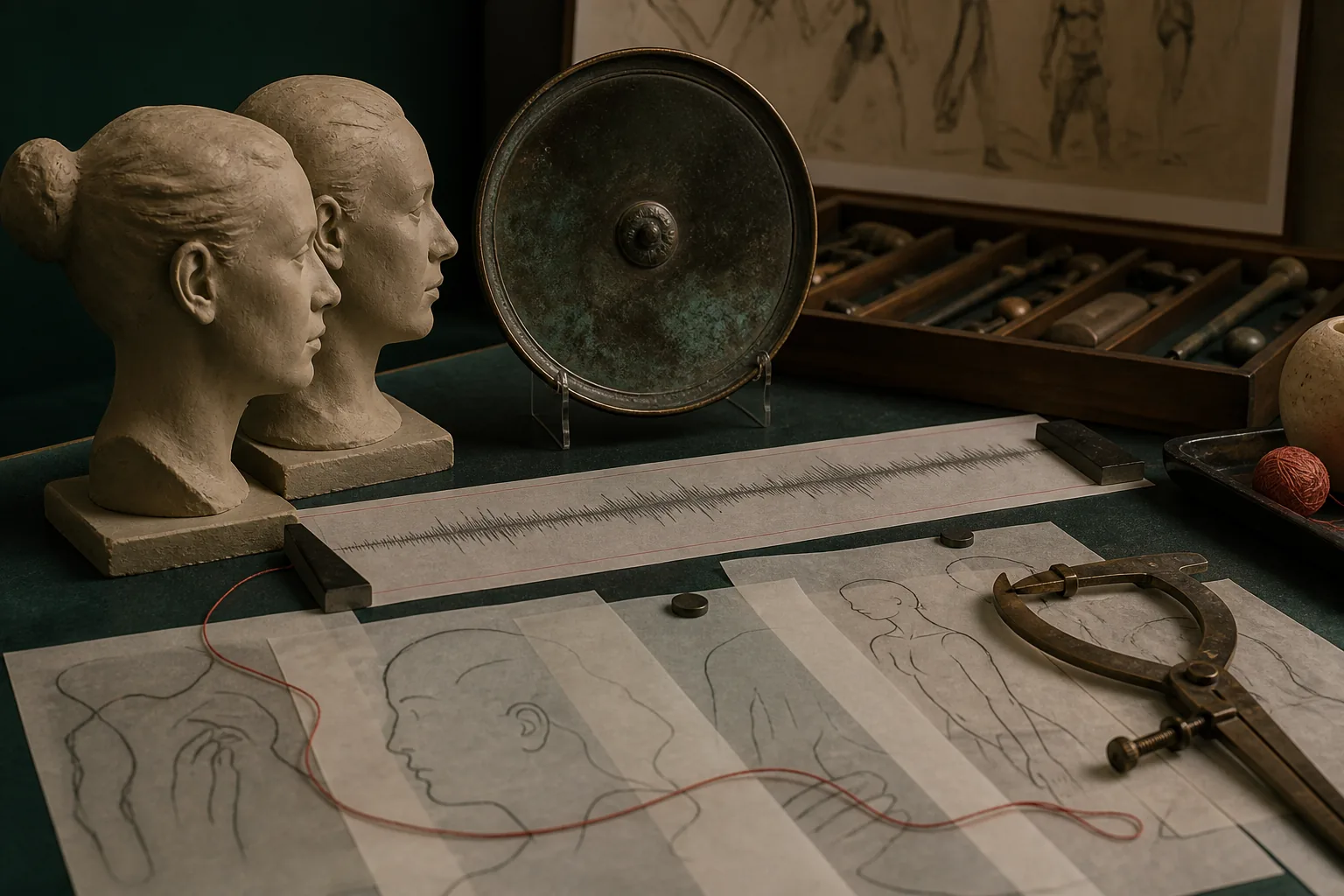 07相Physiognomy and bodily observation1
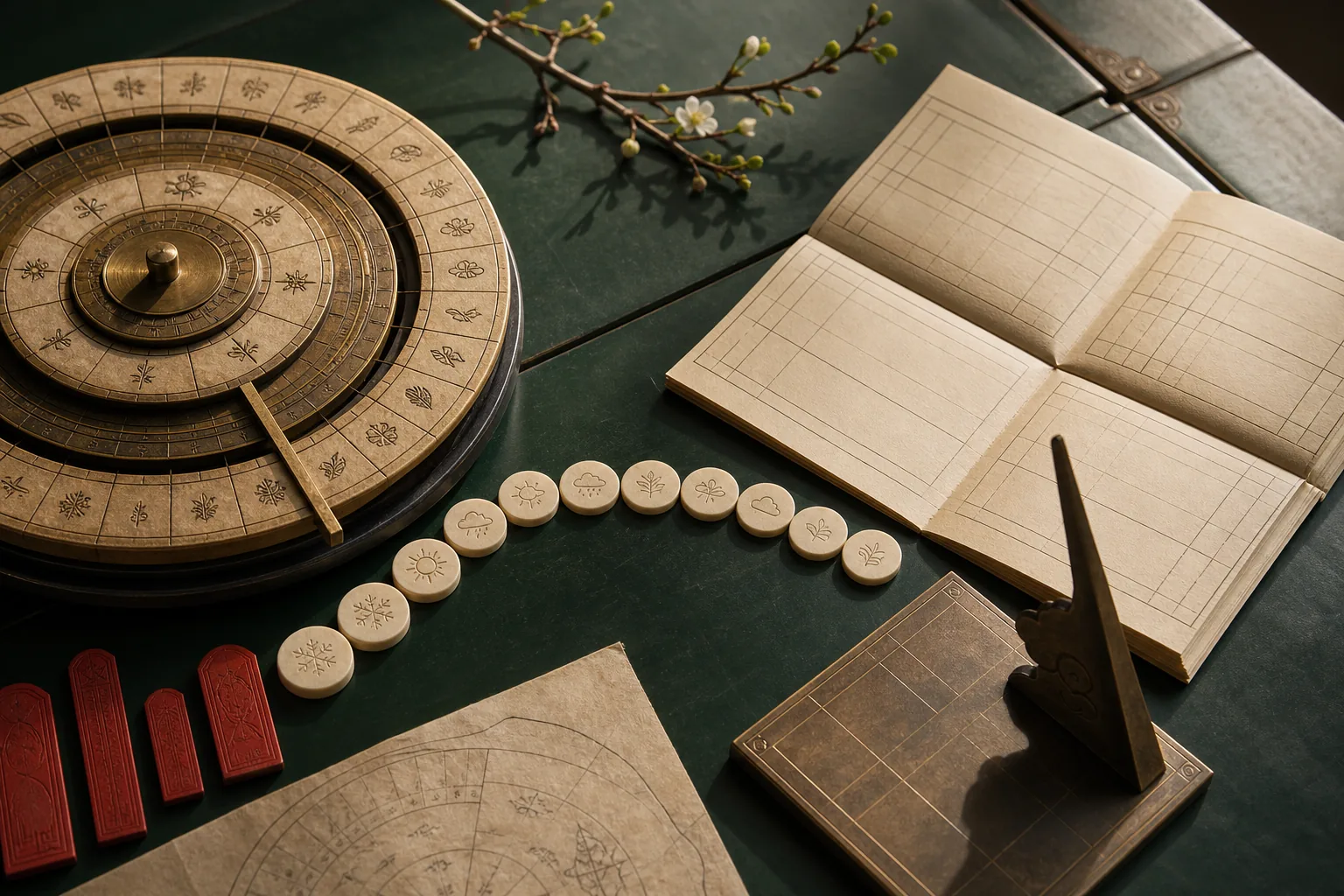 08择Date selection and almanac traditions1
 09兆Dreams, characters and popular divination5
Representative dossiers
Browse the complete atlas
奇门遁甲
Qímén DùnjiǎA nine-palace system placing the Three Wonders, Six Instruments, Eight Gates, Nine Stars and spirits according to season, date and yin-yang rotation to analyze timing, direction and action.
↗
紫微斗数
Zǐwēi DǒushùA natal chart assigns life and body palaces from lunar birth data and places symbolic stars, auxiliaries and four transformations across twelve palaces to interpret themes and periods.
↗
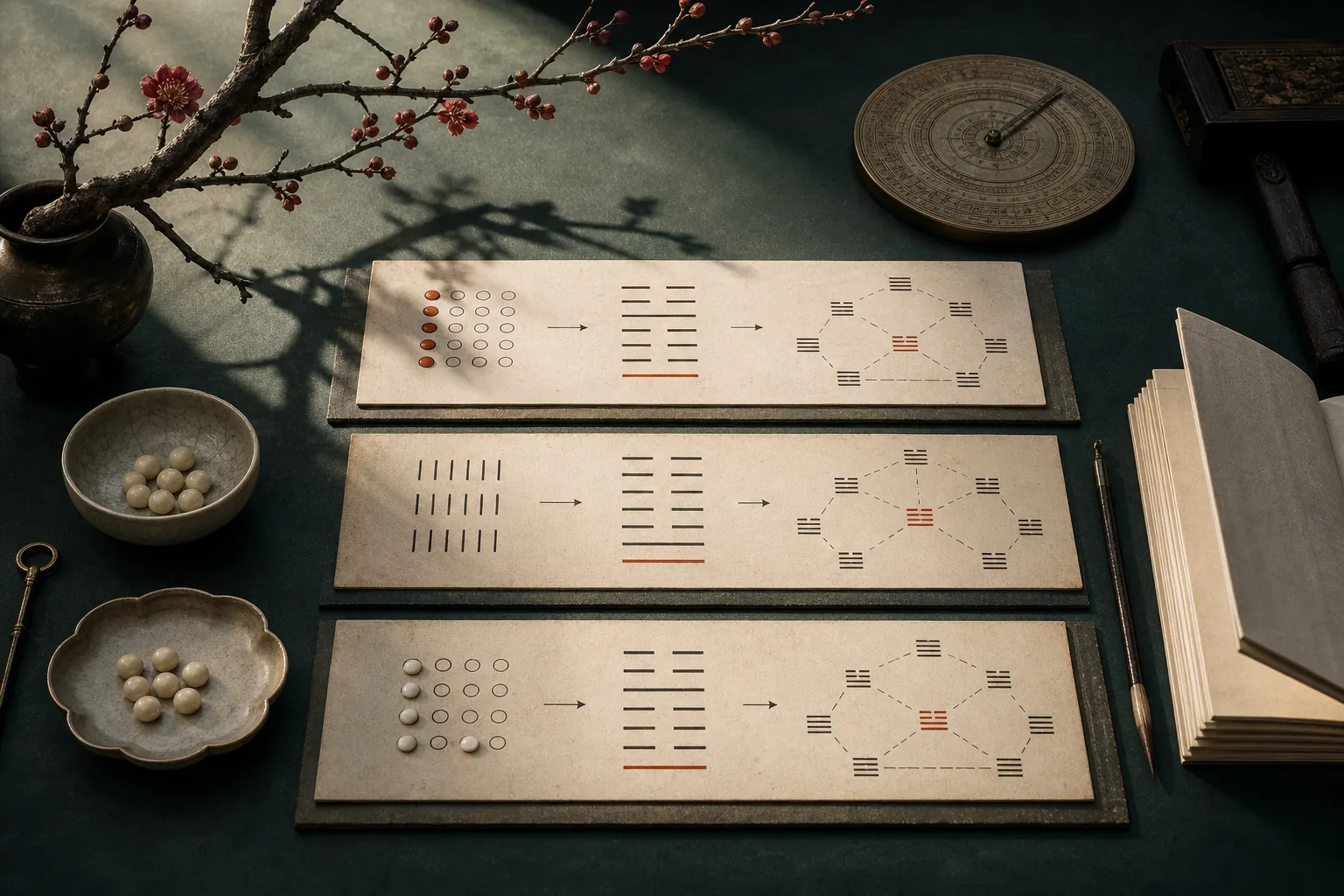
皇极经世
Huángjí JīngshìA model of cosmic and historical time using pre-celestial hexagram orders and nested yuan-hui-yun-shi cycles, connecting correlative number, sound, history and political change.
↗
梅花易数
Méihuā YìshùA flexible method taking hexagrams from time, numbers, sound, direction, characters or encountered images and interpreting change through body-function roles, phase relations, nuclear hexagrams and external correspondences.
↗
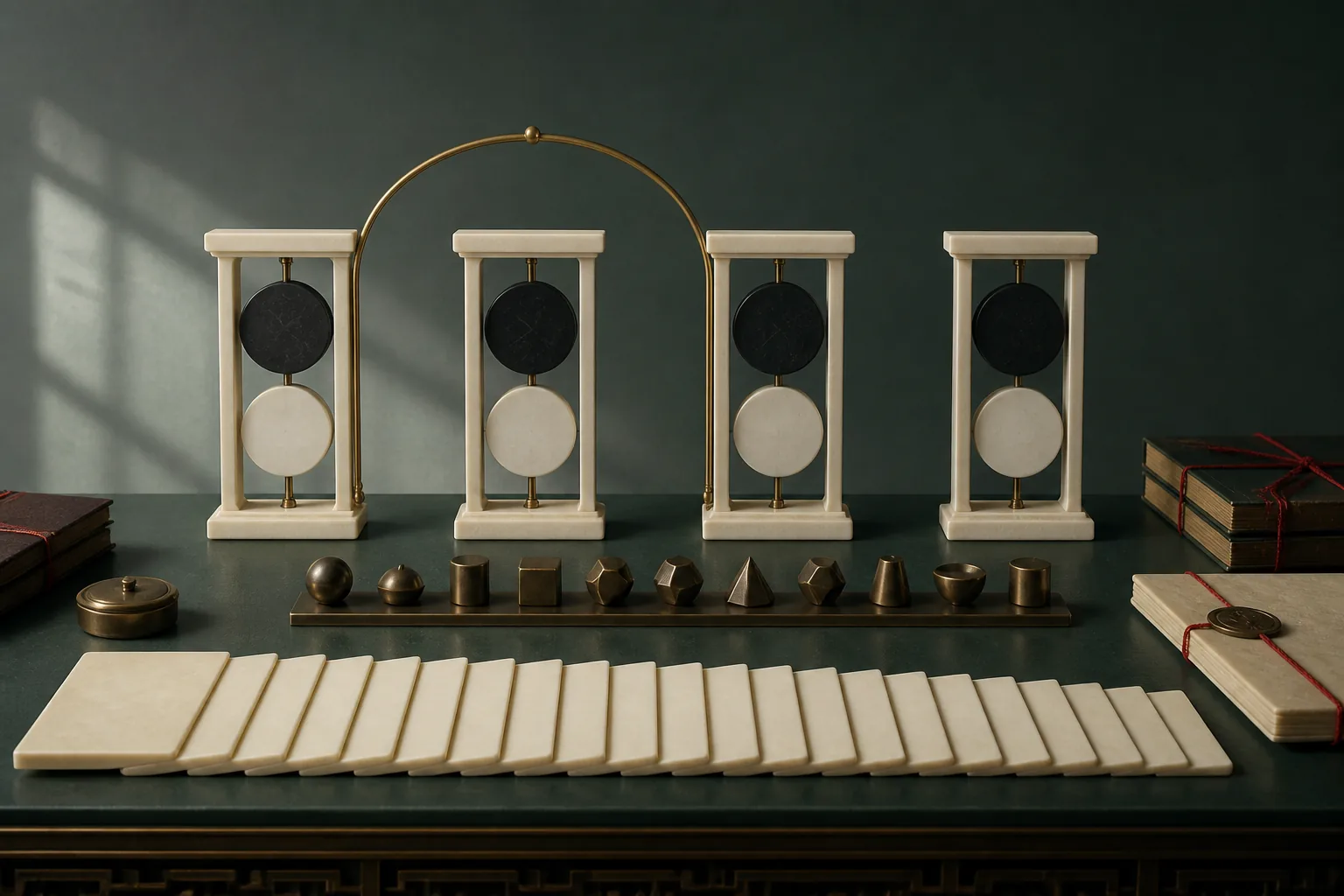
纳甲六爻
Nàjiǎ LiùyáoA hexagram method assigning branches, phases, six relations, host-response positions and six spirits, then reading season, day, change and strength; one of the most active Yijing divination systems today.
↗
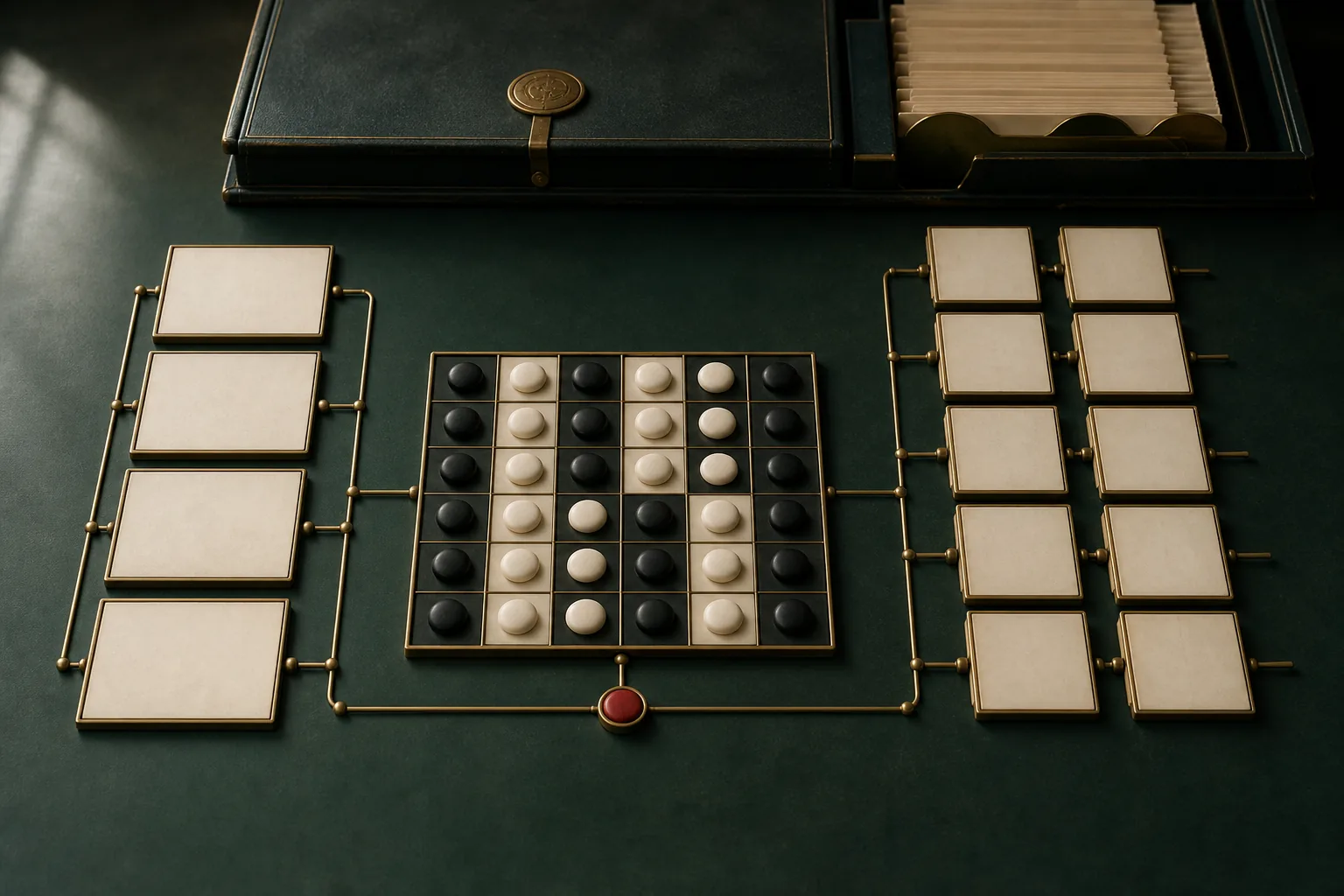
四柱子平命理
Sìzhù Zǐpíng MìnglǐBirth year, month, day and hour are each expressed as a stem-branch pillar; the day stem anchors analysis of ten relations, phases, patterns, seasonal adjustment, major cycles and years.
↗
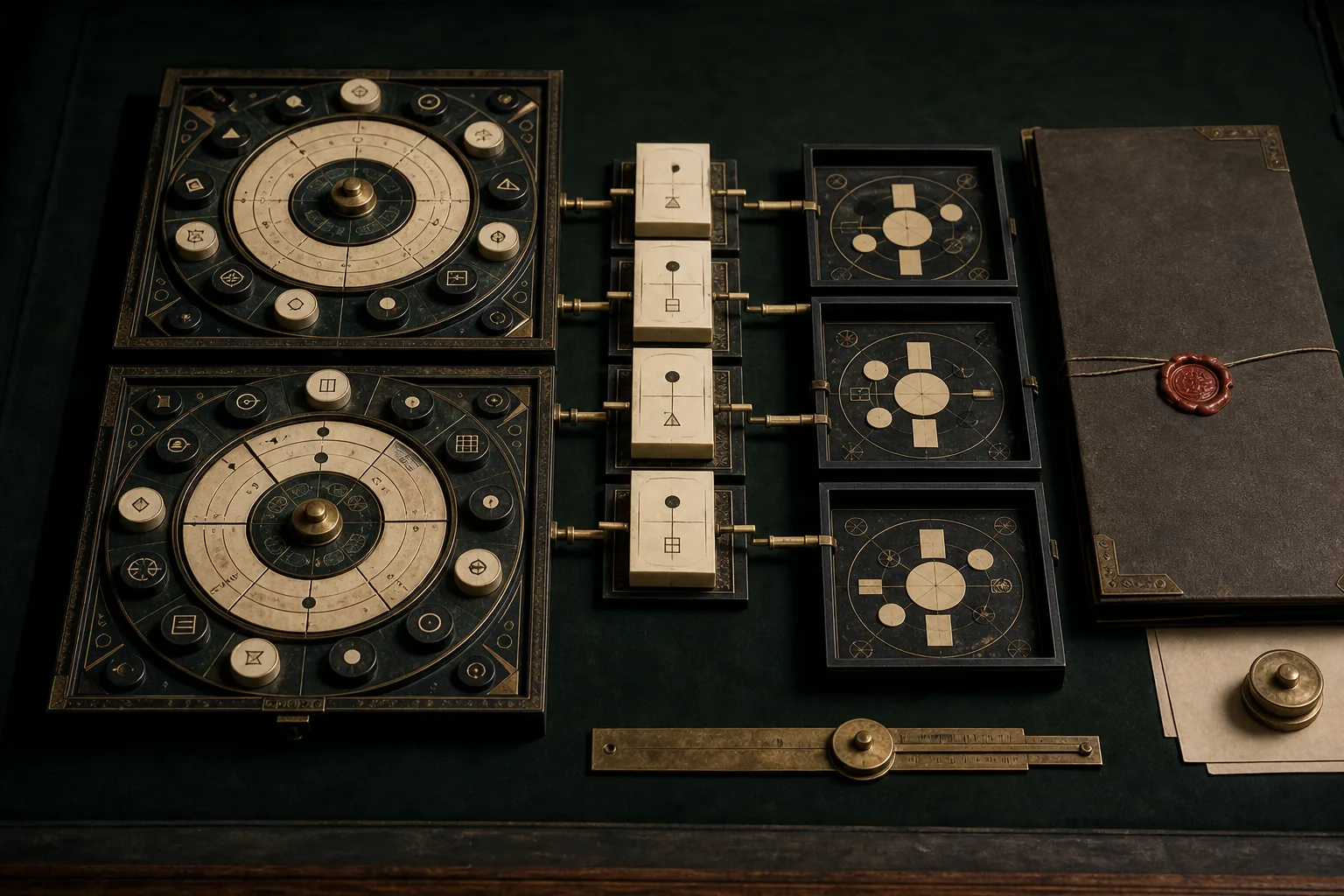
河洛理数
Héluò LǐshùA Ming-Qing system converting birth stems and branches into heaven-earth numbers and pre/post-celestial natal hexagrams, then using an original line and temporal changes to interpret life stages.
↗
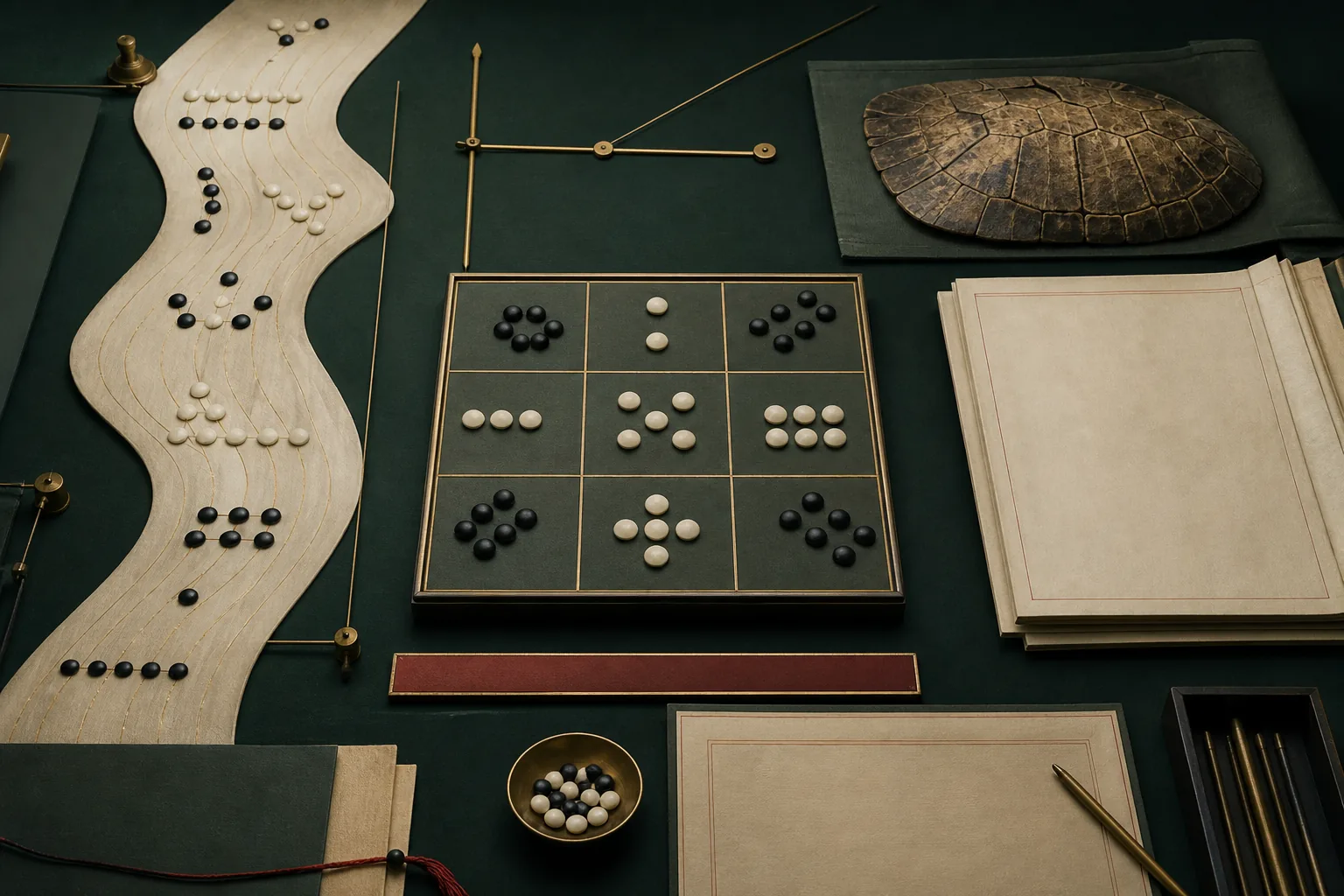
大六壬
Dà LiùrénA heaven-earth board places the monthly general over the divination hour; Four Lessons are built from the day stem-branch, followed by Three Transmissions, generals and lesson patterns to model a matter's origin, development and resolution.
↗
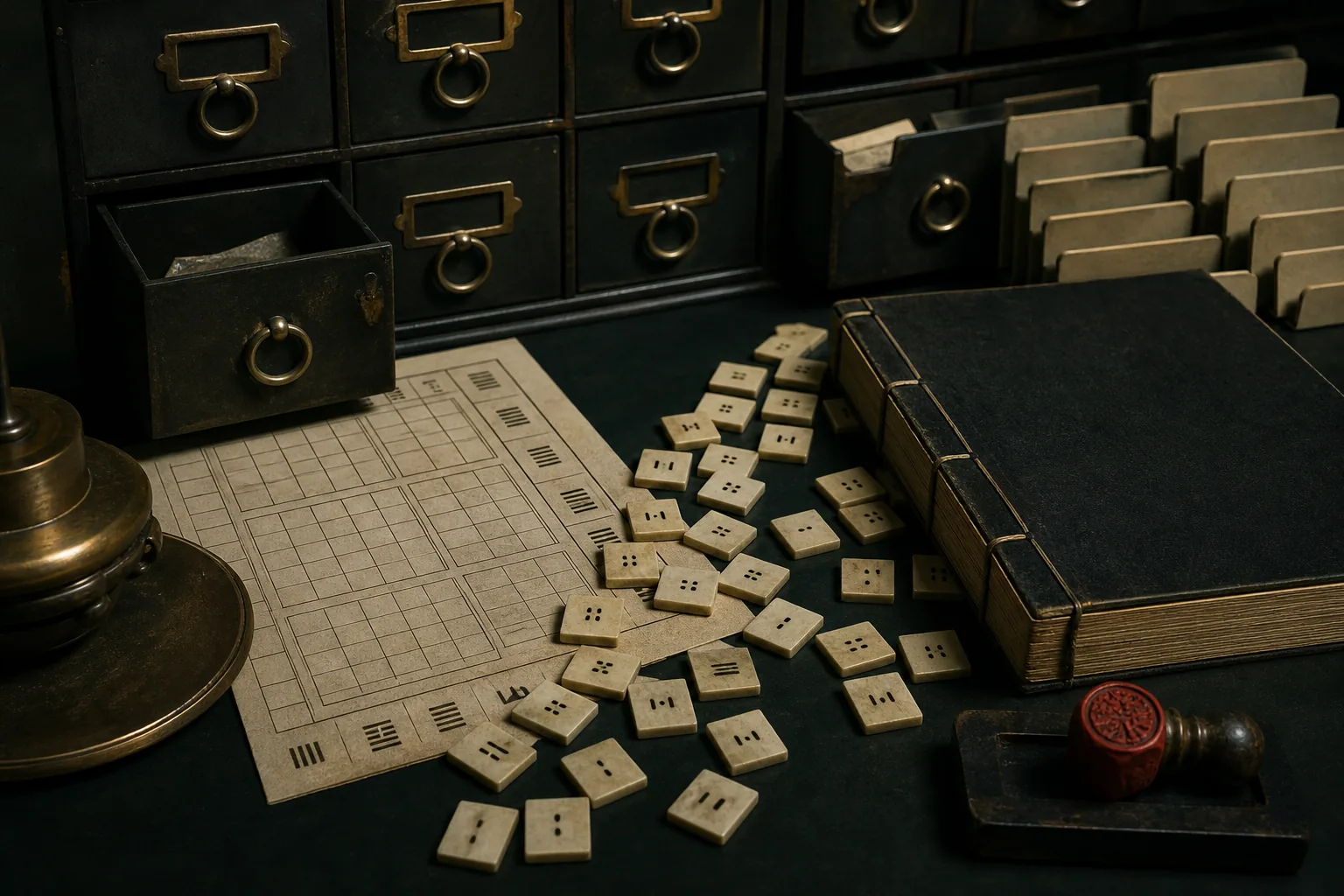
河图、洛书与九宫
Hétú, Luòshū yǔ JiǔgōngSpatial-numerical models of parity, generative numbers, center, cardinal and corner positions; a foundational node for the Three Boards, fengshui, date selection and Song correlative Yijing studies.
↗
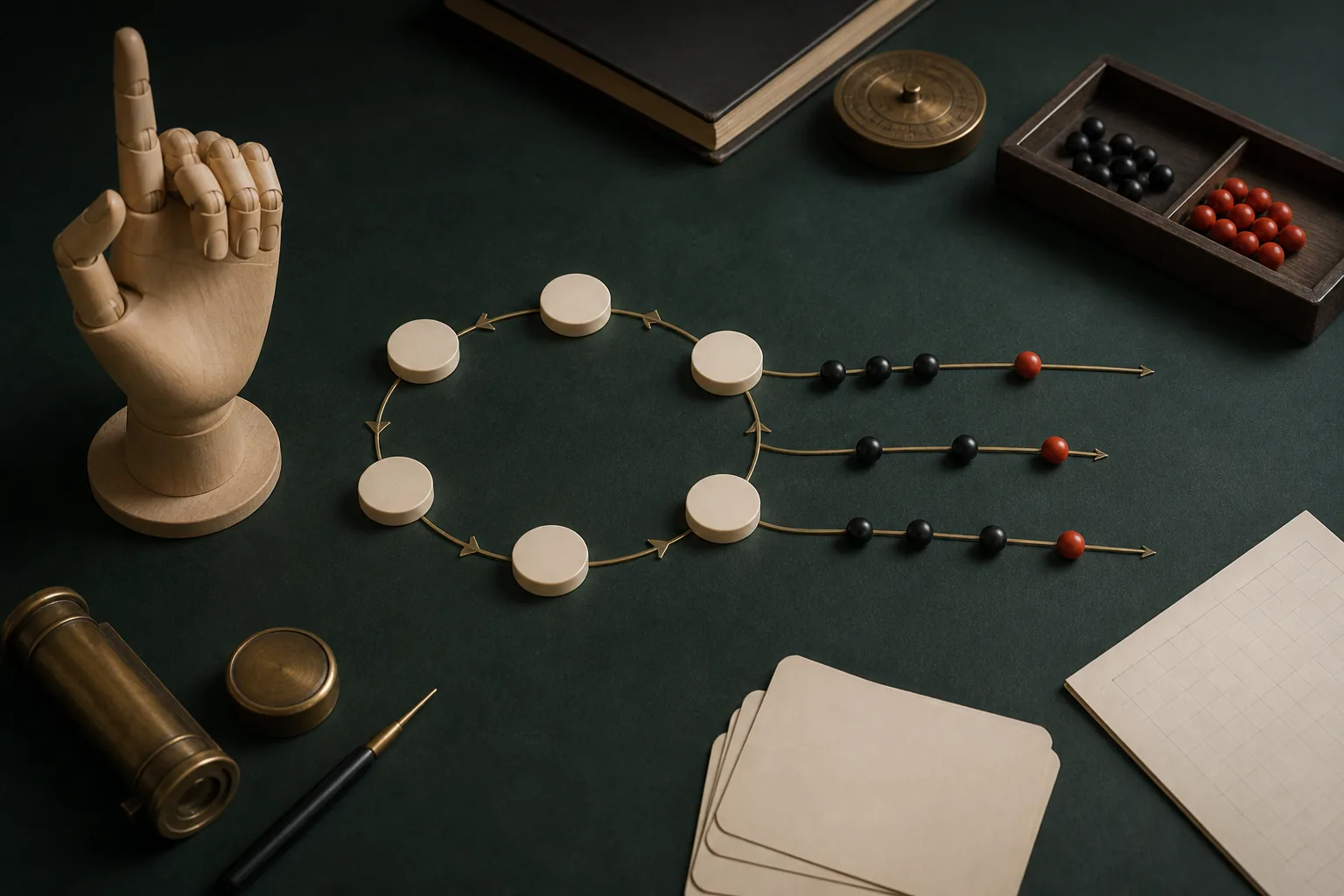
铁板神数
Tiěbǎn ShénshùA family of methods encoding birth stems-branches, minute divisions, Hetu-Luoshu hexagram numbers and kin data to retrieve numbered life statements, known for calibrating the birth time.
↗
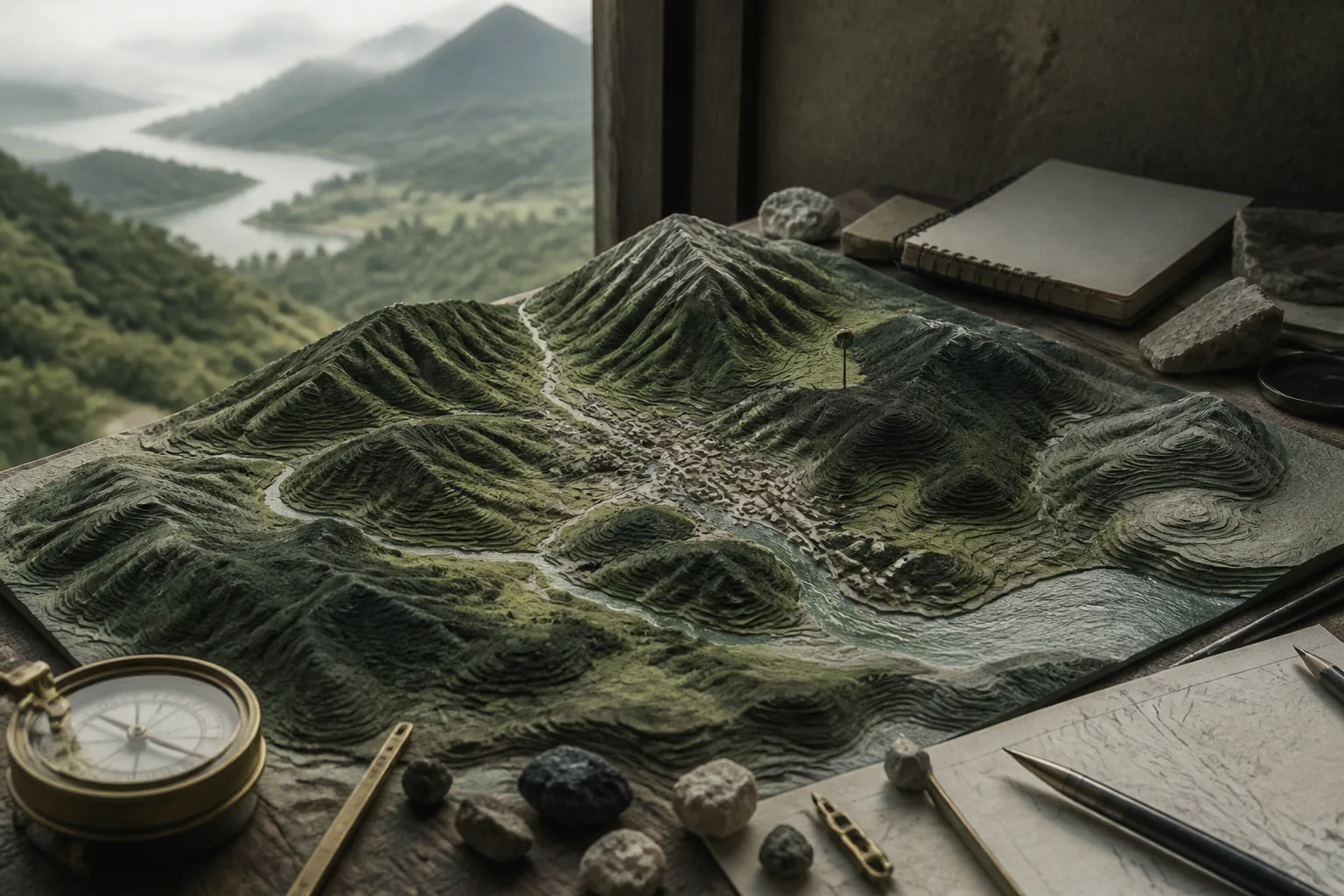
小六壬
Xiǎo LiùrénA quick hand mnemonic cycling month, day and hour through six states: Great Peace, Lingering, Swift Joy, Red Mouth, Small Fortune and Emptiness.
↗
堪舆与风水
Kānyú yǔ FēngshuǐA family of site-selection traditions combining landform, water, orientation, time, yin-yang, phases and compass layers for dwellings, settlements and burials.
↗
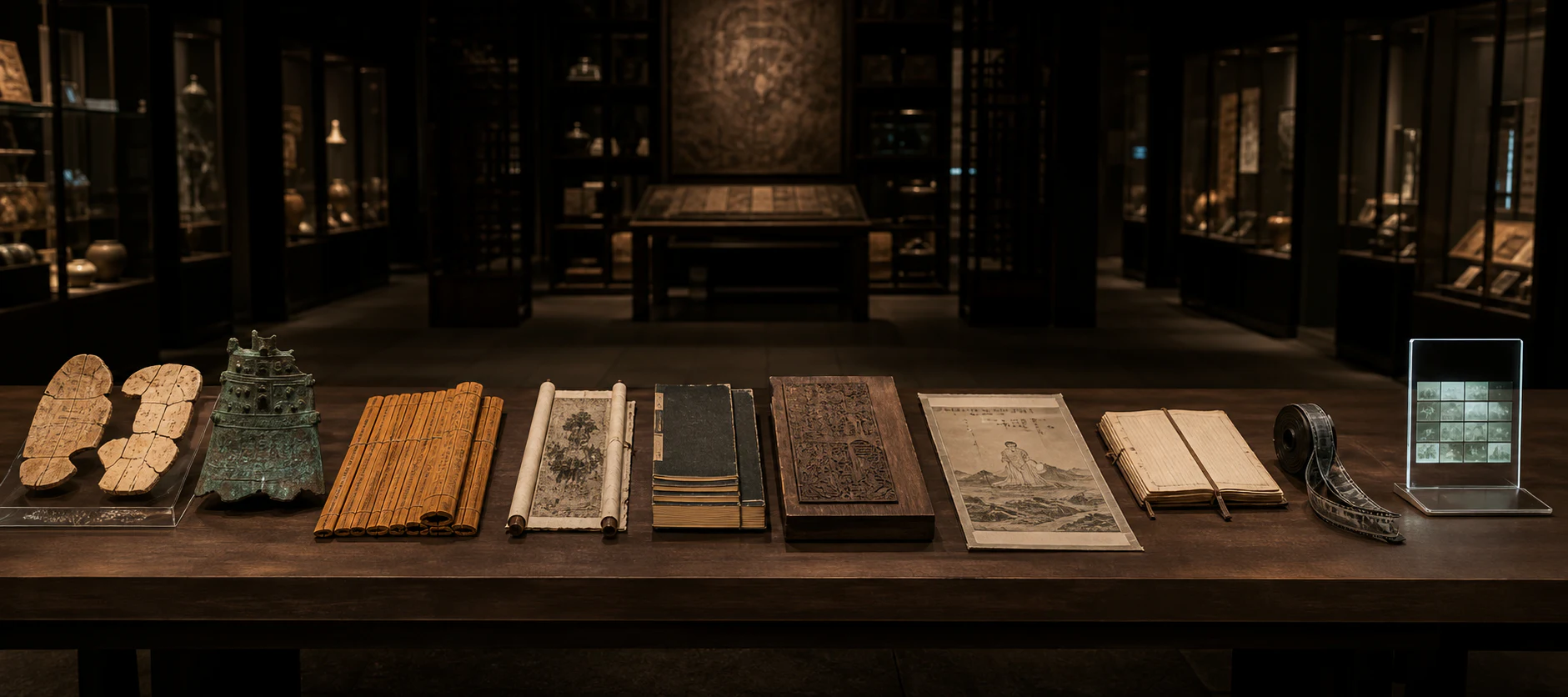
02A history of Chinese mantic arts
From cracks in bone to digital humanities:
how knowledge was invented, copied and reinterpreted.
Our timeline marks traditional, excavated, textual and institutional evidence. We retain the cultural force of origin stories while separating them from datable history and later attribution.
- 01c. 13th-11th centuries BCE
Questions cut in bone: Shang royal divination
From ritual act to cumulative political and temporal archive.
↗ - 02Western Zhou through Warring States
From cracks to stalks: the layered formation of the Zhou Changes
A divination manual acquires cosmological and ethical layers.
↗ - 035th-3rd centuries BCE
Warring States modeling: yin-yang, phases and daybooks
Mantic arts become everyday technologies of time.
↗ - 04221 BCE-220 CE
Imperial classification: Qin-Han convergence
Scattered techniques enter an imperial order of catalogs, bureaus and commentary.
↗ - 05220-589
Between canon and metaphysics: the Six Dynasties
One classic supports intersecting philosophical and technical traditions.
↗ - 06589-960
Dunhuang's everyday cosmos: Sui, Tang and Five Dynasties
Mantic knowledge circulates through state, temple, market and household networks.
↗ - 07960-1279
Diagrammatic Yijing and the print revolution: Song
Manuscript knowledge becomes reproducible, collatable and publicly debated print.
↗ - 081271-1368
Measuring heaven and establishing schools: Yuan
Technical knowledge enters local schools and professional identities.
↗
Tradition: cultural memory and later genealogy, not direct chronological evidence.
Excavated: supported by archaeological context, dating or verifiable objects.
Text: attested in received works, though authorship and dating may remain debated.
Institution: documented in bureaus, catalogs, education or state calendars.
03The institute's four core functions
Shared standards for preservation,
research, teaching and credentials.
Research and education in both mantic arts and the Yijing form one institute framework. Credentials attest only to internal study and do not imitate state degrees or professional licenses.
Mantic arts research
Build genealogies; compare structures; study manuscripts, editions, objects and contemporary transmission.
↗02Mantic arts education
Move from history, phases and calendars into Six Lines, Bazi, Qimen, Liuren, Ziwei and specialist paths.
↗03Yijing research
Distinguish text and Wings; connect numerical hexagrams, Han, Song, Qing and excavated traditions.
↗04Yijing education
Teach primary-text reading, correlative method, classical-language preparation, reconstruction and comparison.
↗
04Institute internal credentials
Demonstrate depth through reproducible work.
Five levels cover foundations, specialist study, comparative method, independent research and curriculum design. Each publishes learning hours, required work, assessment, revocation and legal status.
View the credential system05Global in-person network
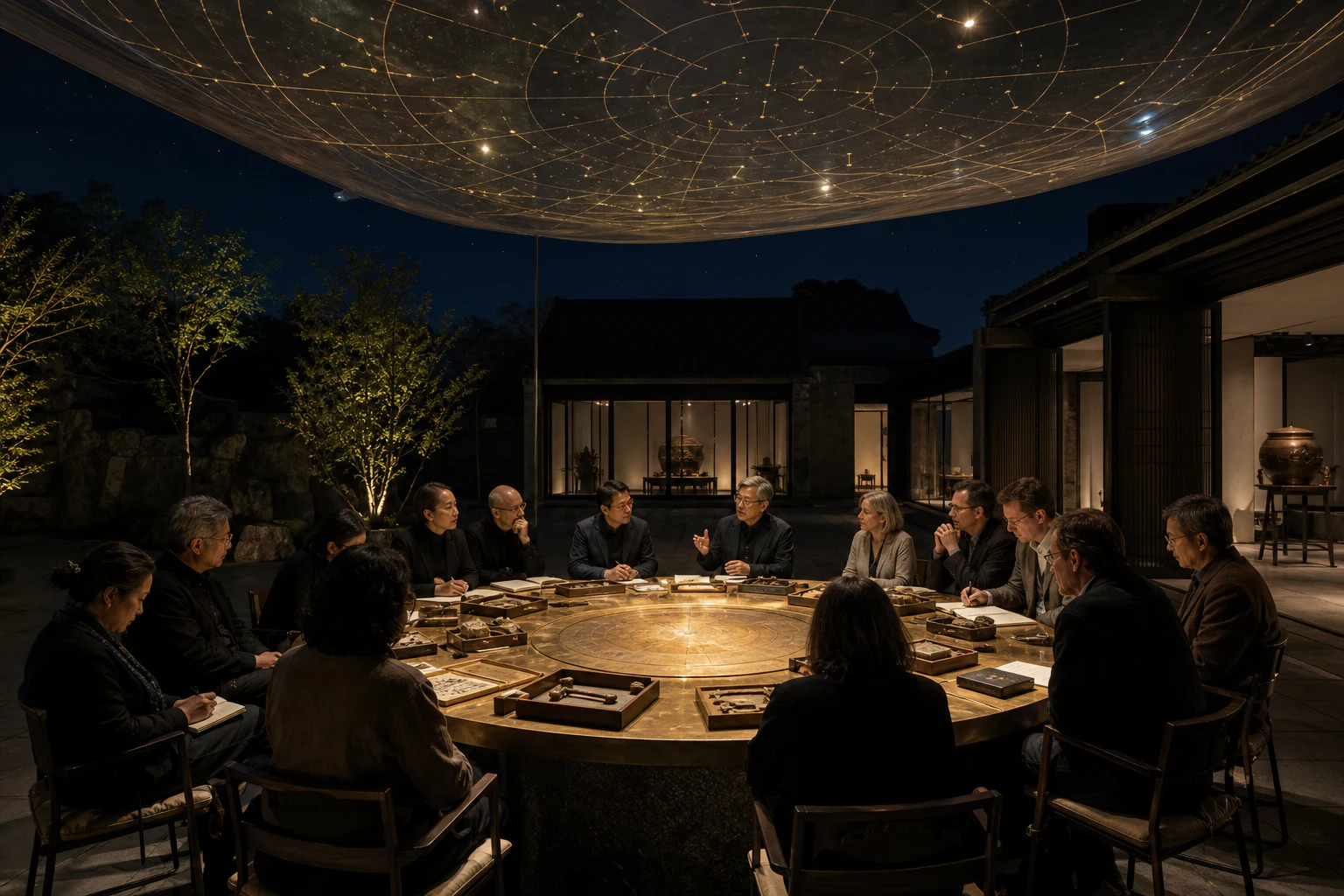
Bring texts, instruments and the night sky
back into shared physical presence.
Annual forums, manuscript schools, city intensives, museum walks, practitioner roundtables and public observation nights form the institute's global program matrix. Every city program follows common standards for scholarship, venue, safety and publication.